Design Studio
Summary
Welcome, and congratulations on launching the EcoRise Design Studio program! You and your students are about to embark on a unique classroom experience—one that involves choosing your own adventure by tackling a project that is exciting and meaningful because it adds real-world value. This Facilitator’s Guide orientates you to the EcoRise design process and provides helpful classroom tips, templates, and enrichment opportunities.
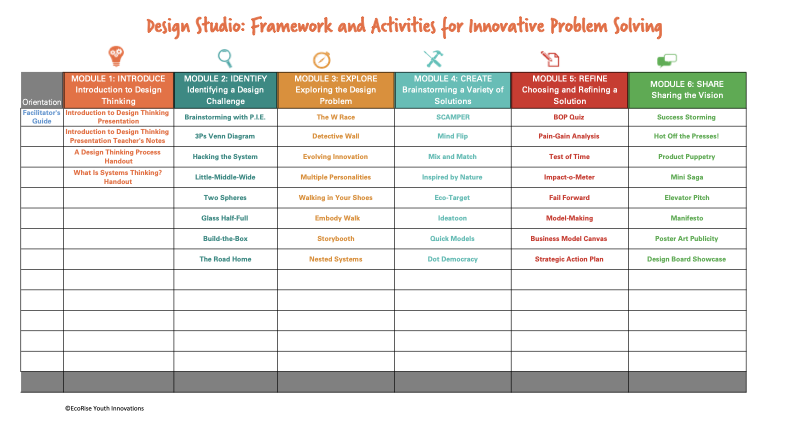
Design Studio guides students through a creative problem-solving process to help them devise solutions to sustainability challenges, such as reducing campus energy consumption, creating useful new public spaces, and increasing community access to healthy food. The EcoRise design thinking process can help students manage projects within Sustainable Intelligence and other EcoRise programs as well as other coursework and classroom experiences.
Design Studio provides an educational adventure that is grounded in the methodologies of design thinking, systems thinking, project-based learning, and participatory planning. It also encourages social-emotional learning and the development of essential 21st-century skills such as leadership, creativity, teamwork, and communication.
The program offers foundational lessons to help students understand key tenets of design thinking and systems thinking as well as a bank of engaging activities you can pick and choose from to guide them through the various steps of a design thinking process. Design Studio stems from the belief that powerful learning takes place in the context of real-world problem solving—and that engaging youth as leaders is essential to creating a healthy, sustainable future.
Modules
-
Module 1: Introduction to Design Thinking
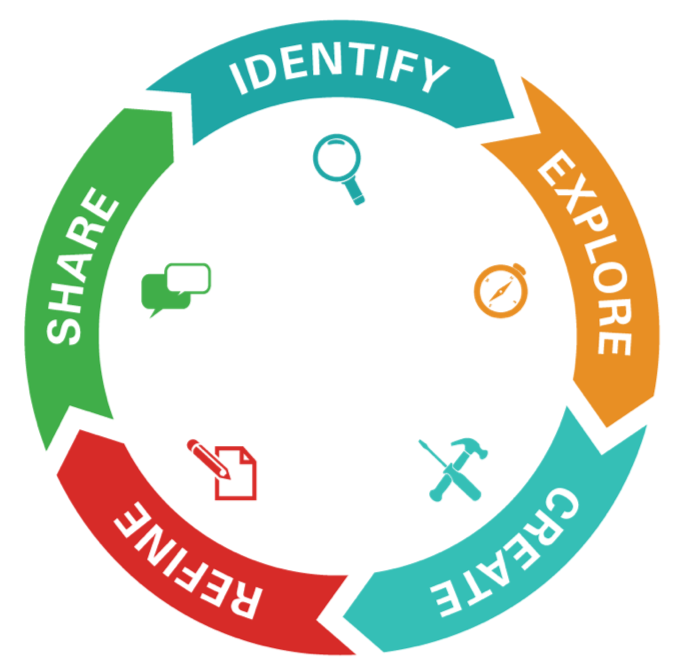
This module introduces students to a design-thinking process they can use to address critical real-world problems related to important social or environmental issues. The design-thinking process consists of five steps, which are linked to Modules 2–6 of this program. You can pick and choose activities to lead students through the…
-
Module 2: Identifying a Design Challenge
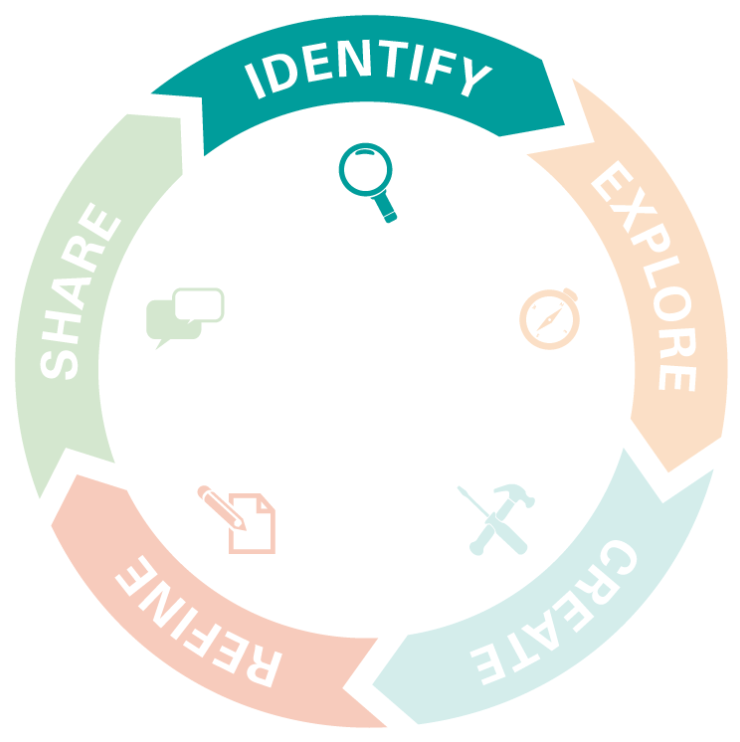
With this module, students begin exploring the first stage of the design-thinking process: Identify. The activities in this module help students consider a design problem they can address as a social or environmental design challenge. Students brainstorm together to identify problems they might tackle, as well as stakeholders, criteria, and…
-
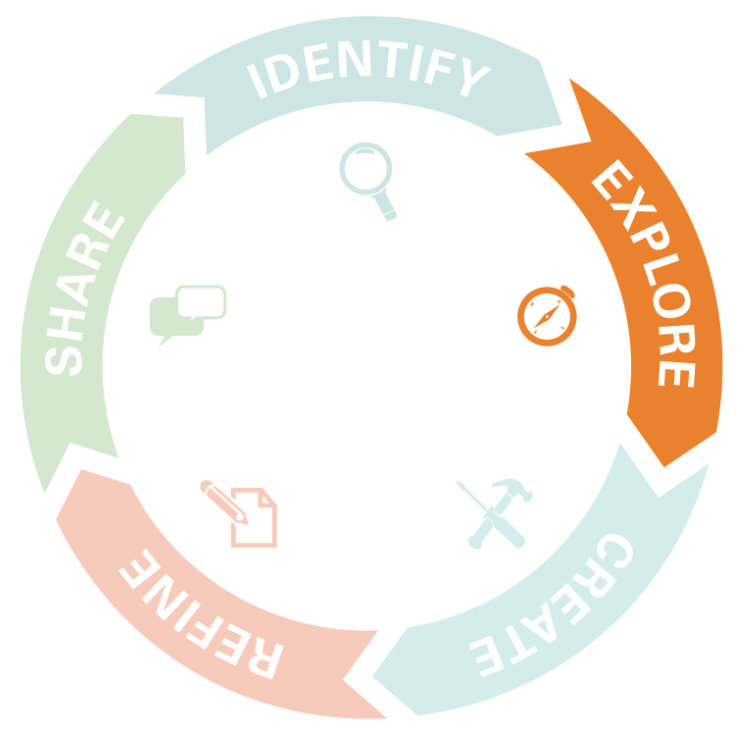
Module 3: Explore: Exploring the Design Problem
The purpose of this module is for students to explore in greater depth the design problem that interests them. Continue to encourage students to avoid thinking of solutions—that will happen in the next module. For now, they are looking at various aspects and angles of the problem itself to form…
-
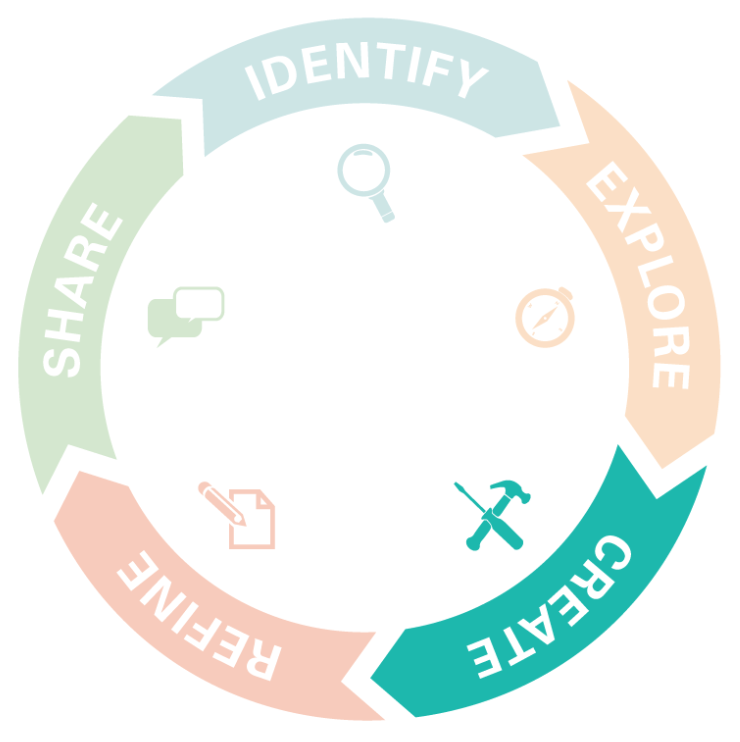
Module 4: Create: Brainstorming a Variety of Solution
In this module, students begin generating solutions to the design question they explored in Module 3. They look at several ideas from different perspectives, examining the assumptions and beliefs they bring to those ideas. Students organize their ideas around themes and pick one as the design solution that best fits…
-
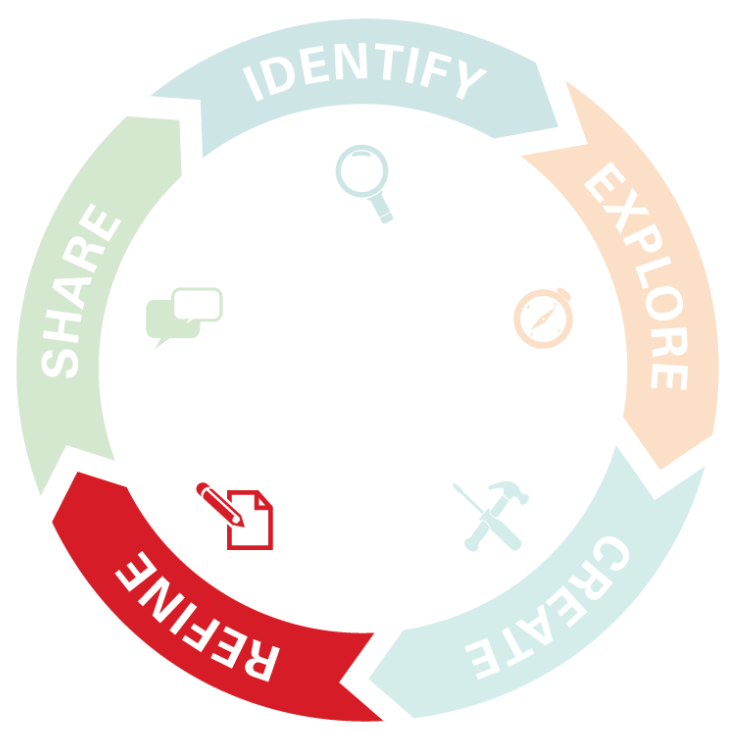
Module 5: Refine: Choosing and Refining a Solution
In this module, students take their chosen design solution to another level by assessing its strengths and weaknesses against the triple bottom line, creating a business model to describe their fine-tuned plan, prototyping and iterating, and creating a strategic action plan. This module helps students convert their idea into reality…
-
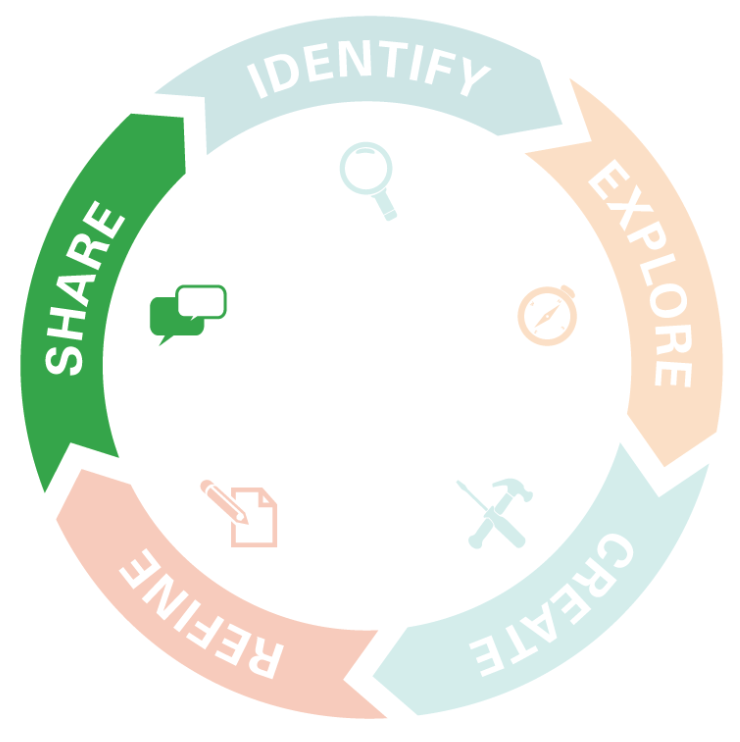
Module 6: Share: Sharing the Vision
In this final module, students learn how to share information about their design solution in a clear and effective manner. They begin by visualizing success and identifying key details for communicating about their design solution. A couple of playful activities help students frame their design solution in creative ways to…
Program Overview