Sustainable Intelligence: High School (Grades 9-12)
Summary
This lesson sets the stage for students to develop sustainable intelligence. They begin by playing an interactive game that illustrates how innocent actions can turn into unsustainable practices that impact everyone and the Earth we call home. Students then discuss what the term sustainability means and begin exploring two important concepts: the tragedy of the commons and the triple bottom line. In this way, they create a base of understanding from which they can begin to exercise sustainability thinking as they analyze and explore a range of topics and apply what they learn in their everyday lives.
Modules
-
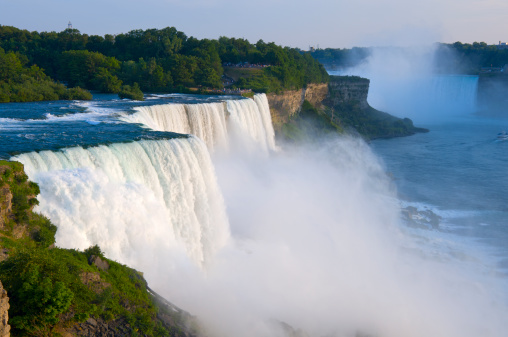
Water: Grades 9-10: The Power of Water
In this module, students explore global water challenges and the innovations people are creating to solve them. They learn why so little of Earth’s water is usable, examine physical and economic water scarcity, and compare how different countries use water for agriculture, industry, and homes. Students then explore water innovations…
-
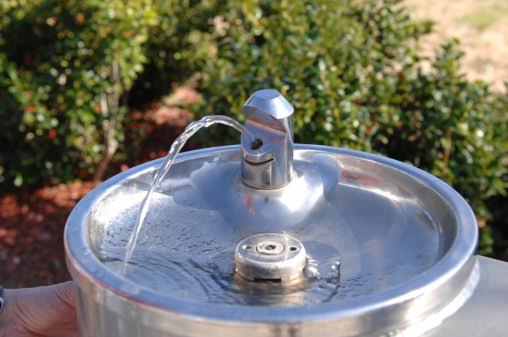
Water: Grades 11-12: Water Eco-Audit
In this module, students conduct a school water eco-audit to improve how their campus manages water. They learn about green schools, document water fixtures and groundcover, and review water bills to understand how water is used on campus. Students then interview campus staff, analyze their data for trends, and develop…
-
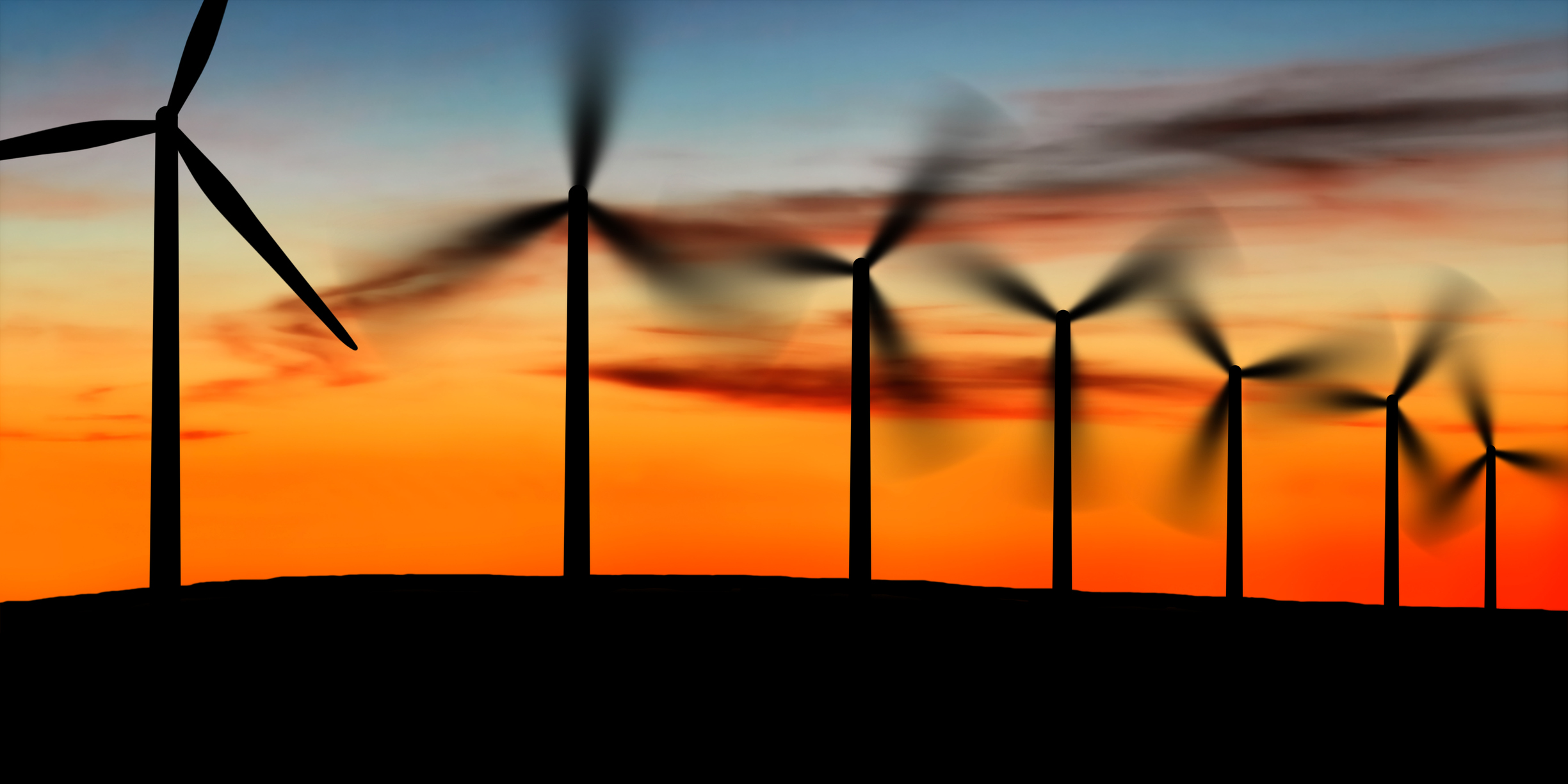
Energy: Grades 9-10: The Impact of Energy
In this module, students explore today’s energy challenges and the innovations helping to address them. They compare traditional and alternative energy sources, weighing how each is extracted, processed, and used. Students then act as energy consultants, auditing their classroom, estimating the school’s carbon footprint, and planning immediate conservation actions. Next,…
-
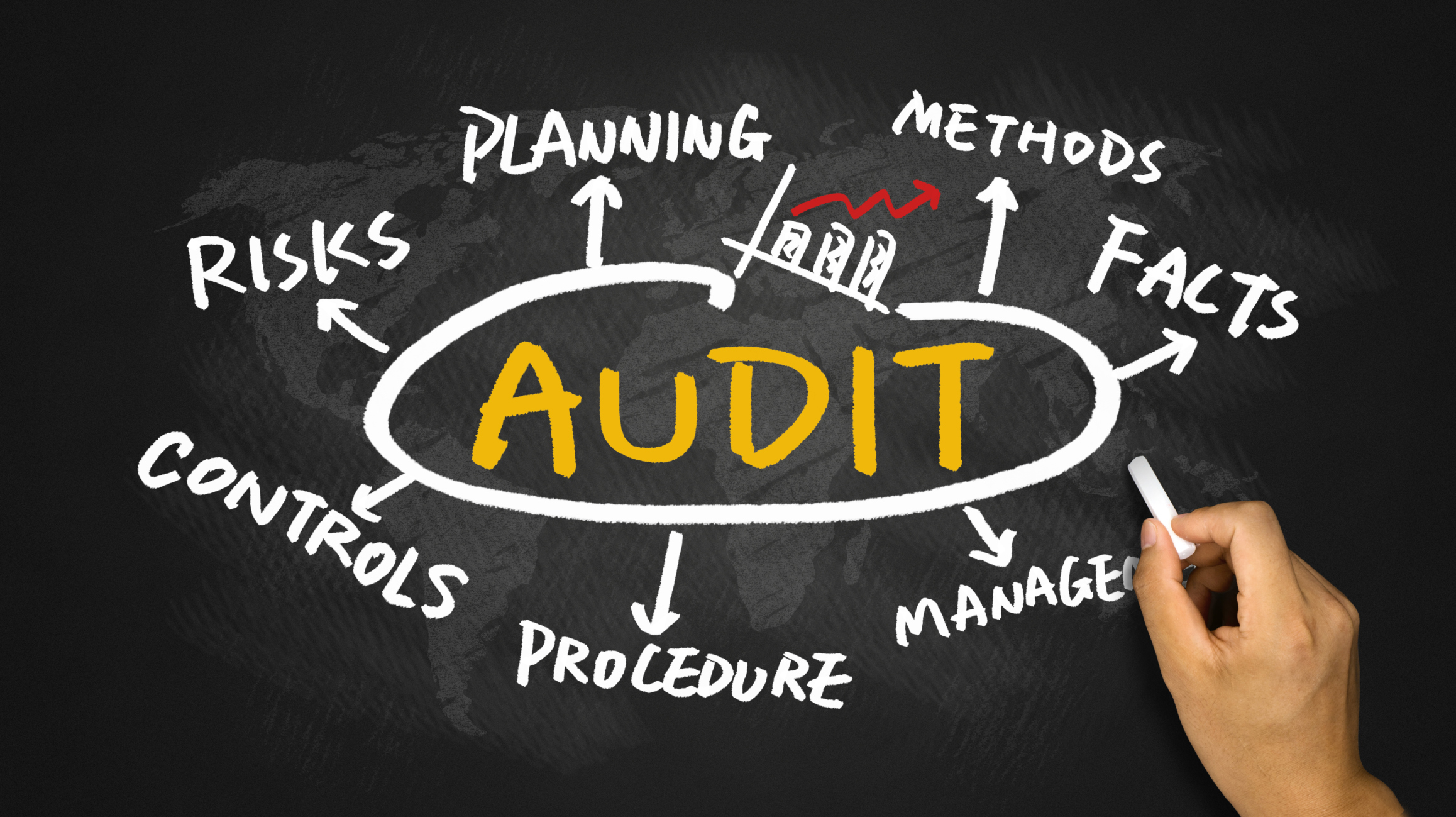
Energy: Grades 11-12: Energy Eco-Audit
In this module, students conduct a school energy eco-audit to improve how their campus manages energy. They learn about green schools, document energy-consuming appliances and fixtures, and review energy bills to understand how energy is used on campus. Students then interview campus staff, analyze their data for trends, and develop…
-

Waste: Grades 9-10: The Weight of Waste
In this module, students explore why waste management is critical to a sustainable future and how creative thinking can turn trash into treasure. They learn how waste is processed through landfills, incineration, and recycling, and how consumer habits and social attitudes drive the waste we create. Students then write the…
-
Waste: Grades 11-12: Waste Eco-Audit
In this module, students conduct a school waste eco-audit to improve how their campus manages waste. They learn about green schools and work in groups to measure how much trash, recycling, compost, and e-waste the school generates. Students then interview campus staff, analyze their data for trends, and develop recommendations…
-
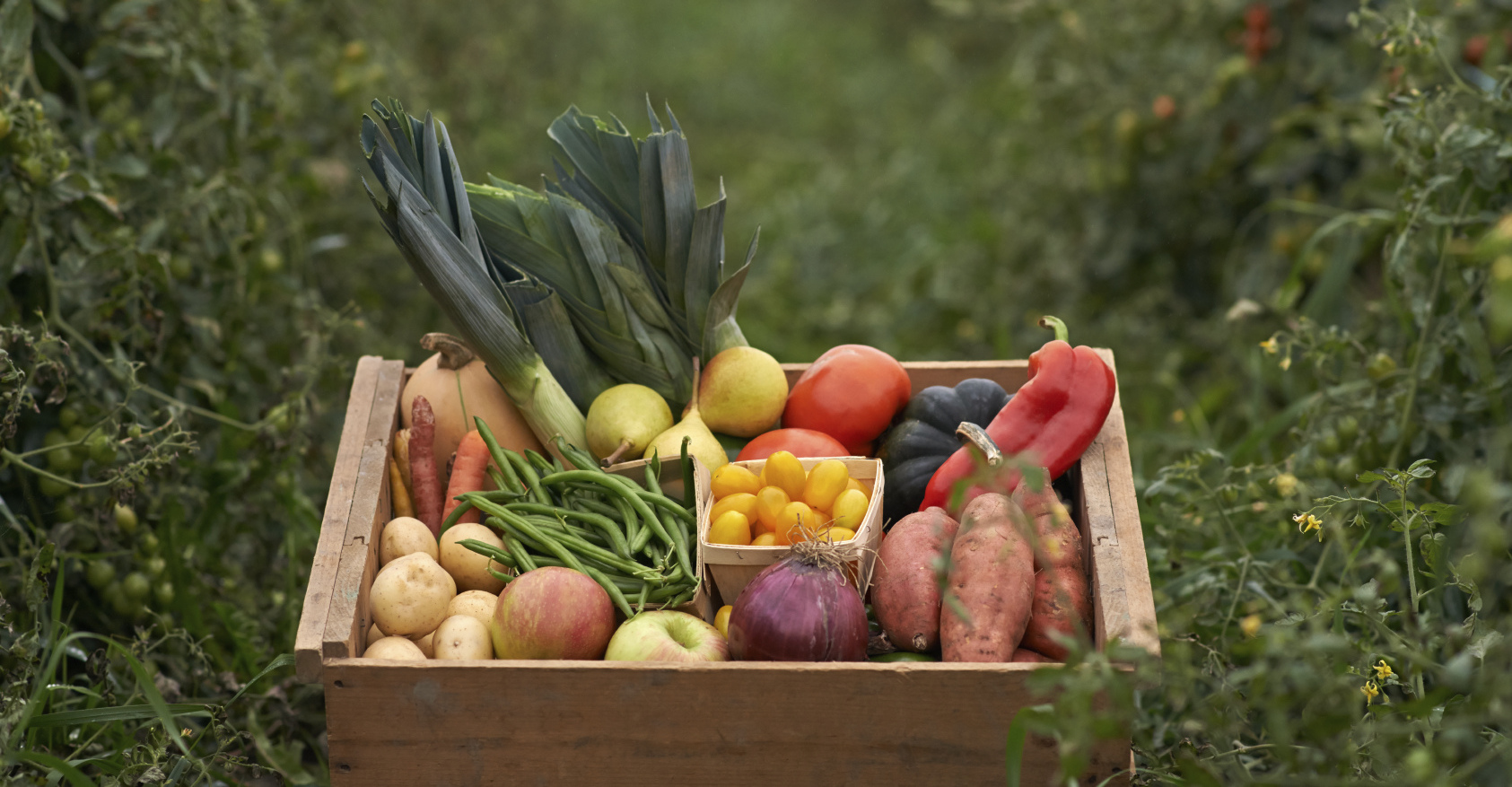
Food: Grades 9-10: Sustainable Eating
In this module, students explore how food choices affect their health, their communities, and the environment. They learn key concepts about what food is made of and how we consume it, then examine the benefits of locally grown food and pitch an ad campaign to promote local farmers’ markets. Students…
-
Food: Grades 11-12: Food Eco-Audit
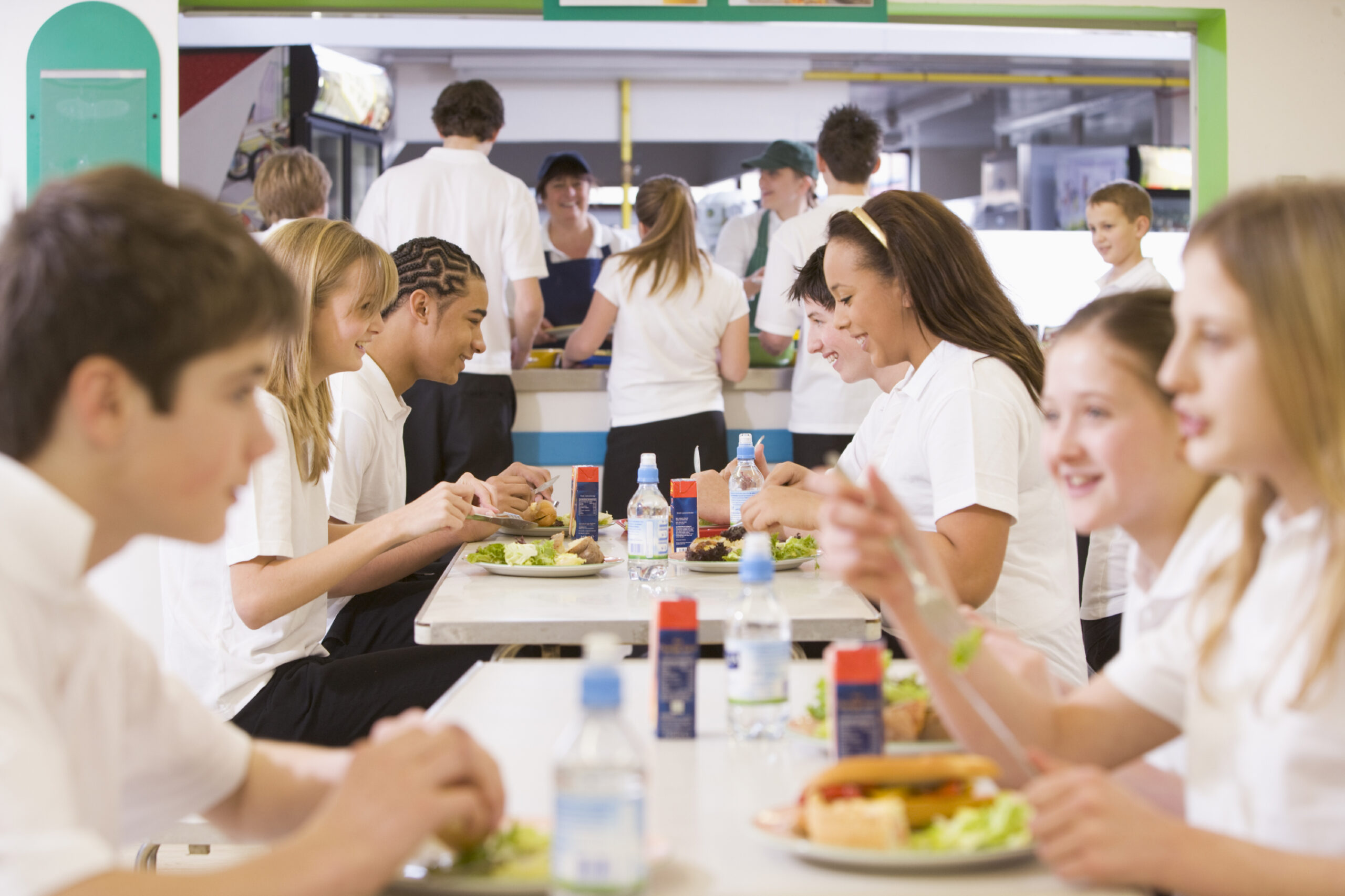
In this module, students conduct a school food eco-audit to improve how their campus sources, serves, and disposes of food. They learn about green schools and investigate where campus food comes from, its nutritional content, how much prepackaged food is used, and how much food waste is generated. Students then…
-

Air: Grades 9-10: A Breath of Fresh Air
In this module, students explore air quality challenges and take action to improve the air on their campus. Working in teams, they learn about indoor and outdoor air quality and then teach their classmates what they’ve discovered. Students then take part in a visual activity that shows how everyday actions…
-

Air: Grades 11-12: Air Eco-Audit
In this module, students conduct a school air eco-audit to improve air quality on their campus. They learn about green schools and investigate indoor and outdoor air quality, documenting behaviors and structures that may contribute to poor air. Students then interview campus staff, analyze their data for trends, and develop…
-

Public Spaces: Grades 9-10: Powerful Public Spaces
In this module, students explore what makes public spaces great and work to transform a space on their own campus. They define public space, tour inspiring examples from around the world, and envision how to improve a not-so-great space. Students then role-play urban planners, redesigning a park, town square, or…
-
Public Space: Grades 11-12: Public Spaces Eco-Audit
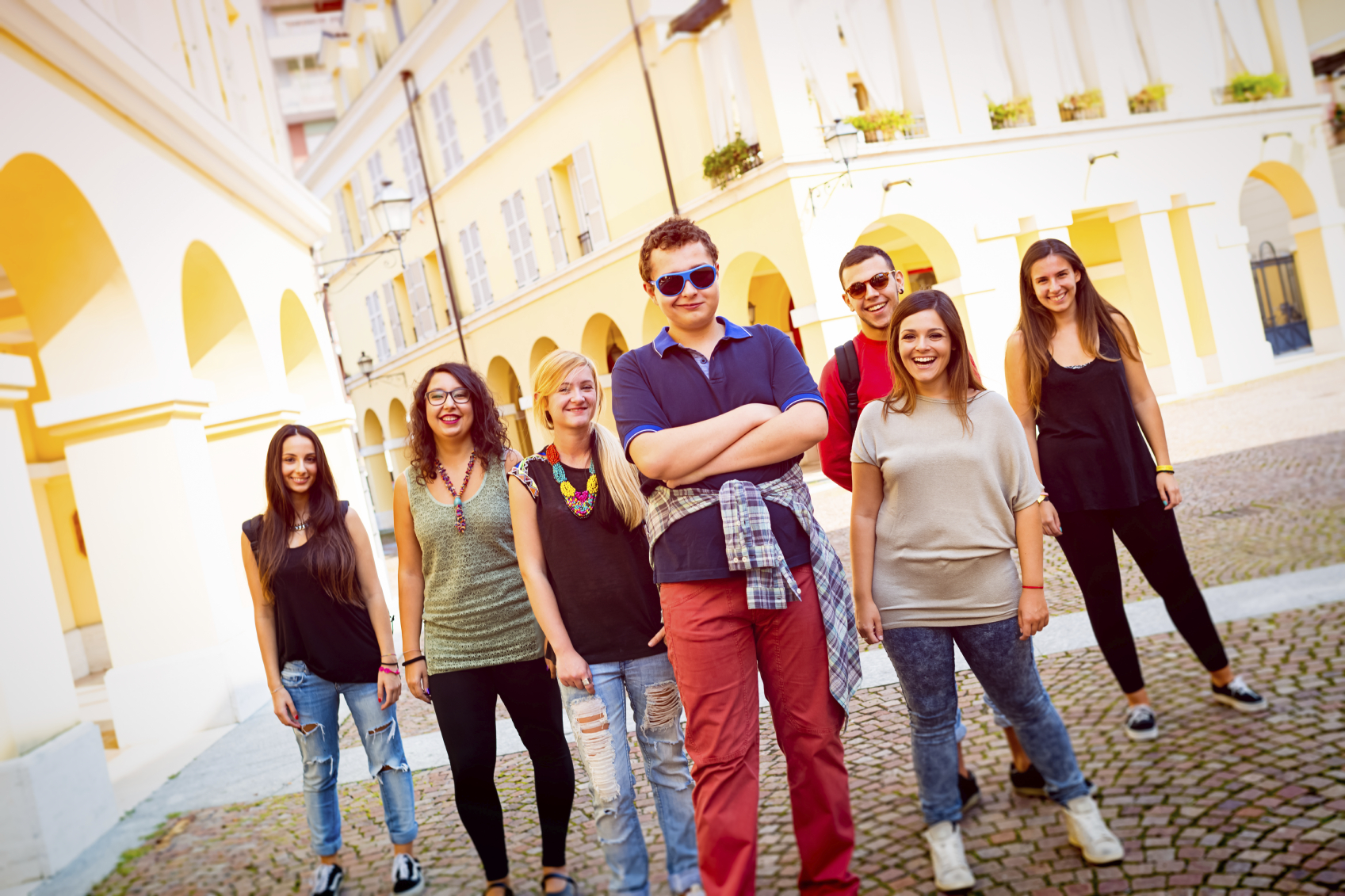
In this module, students conduct a school public spaces eco-audit to improve how their campus spaces are used and managed. They learn about green schools and the benefits of public spaces, then document the public spaces on their campus. Students interview campus staff, survey visitors and the school community, analyze…
-
Transportation: Grades 9-10: Transforming Transportation
In this module, students explore how transportation systems work and how to make them more sustainable. They identify the consequences of a system built around fossil fuel-powered vehicles, weigh key factors like safety, cost, convenience, and environmental impact, and explore innovations from around the world. Students then role-play advisors to…
-
Transportation: Grades 11-12: School Transportation Eco-Audit
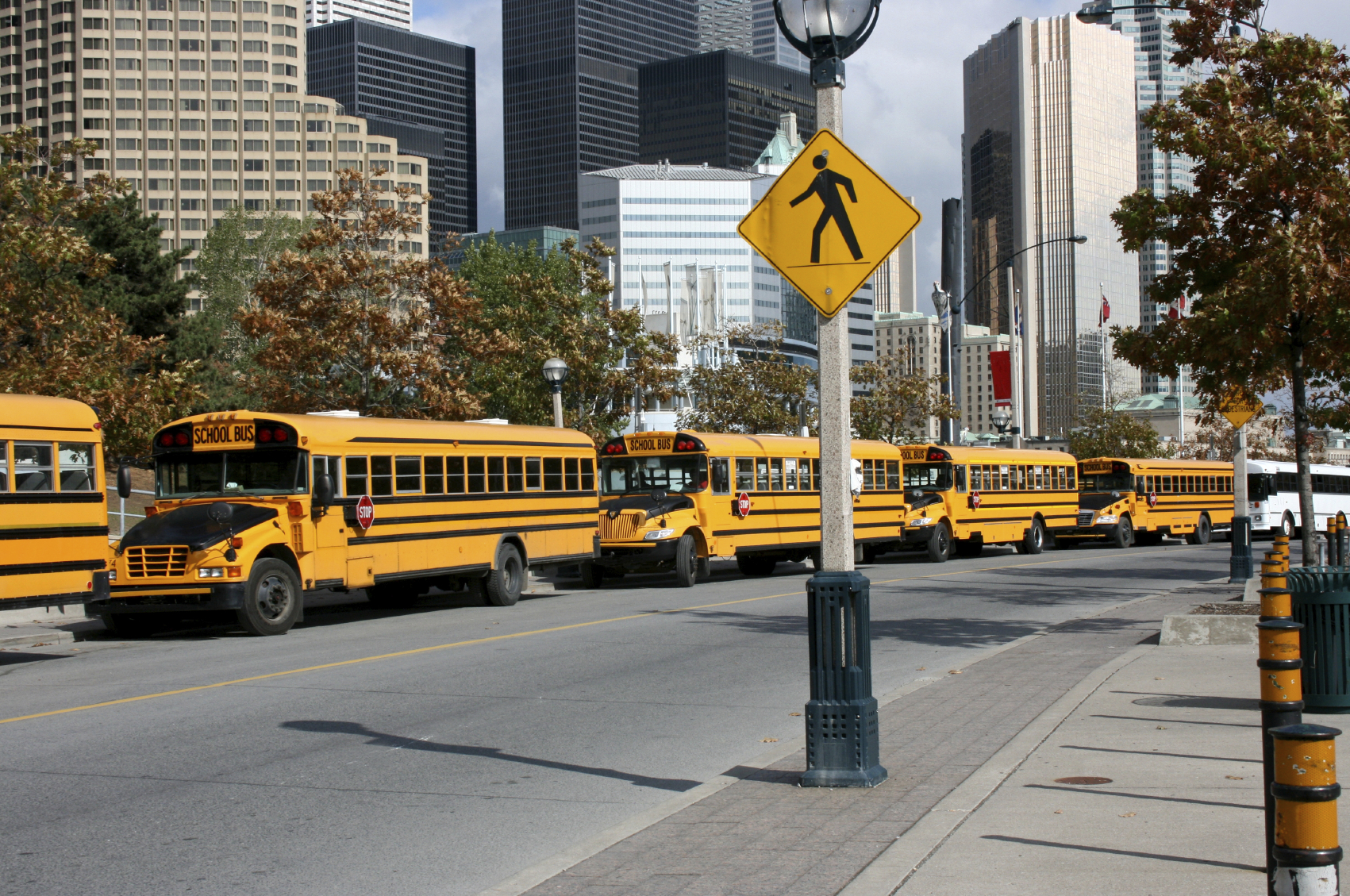
In this module, students conduct a school transportation eco-audit to reduce the environmental impact of commuting to and from campus. They learn about green schools and transportation’s effects on society and the environment, then analyze their own commutes and estimate the school community’s travel and carbon dioxide emissions. Students then…
-
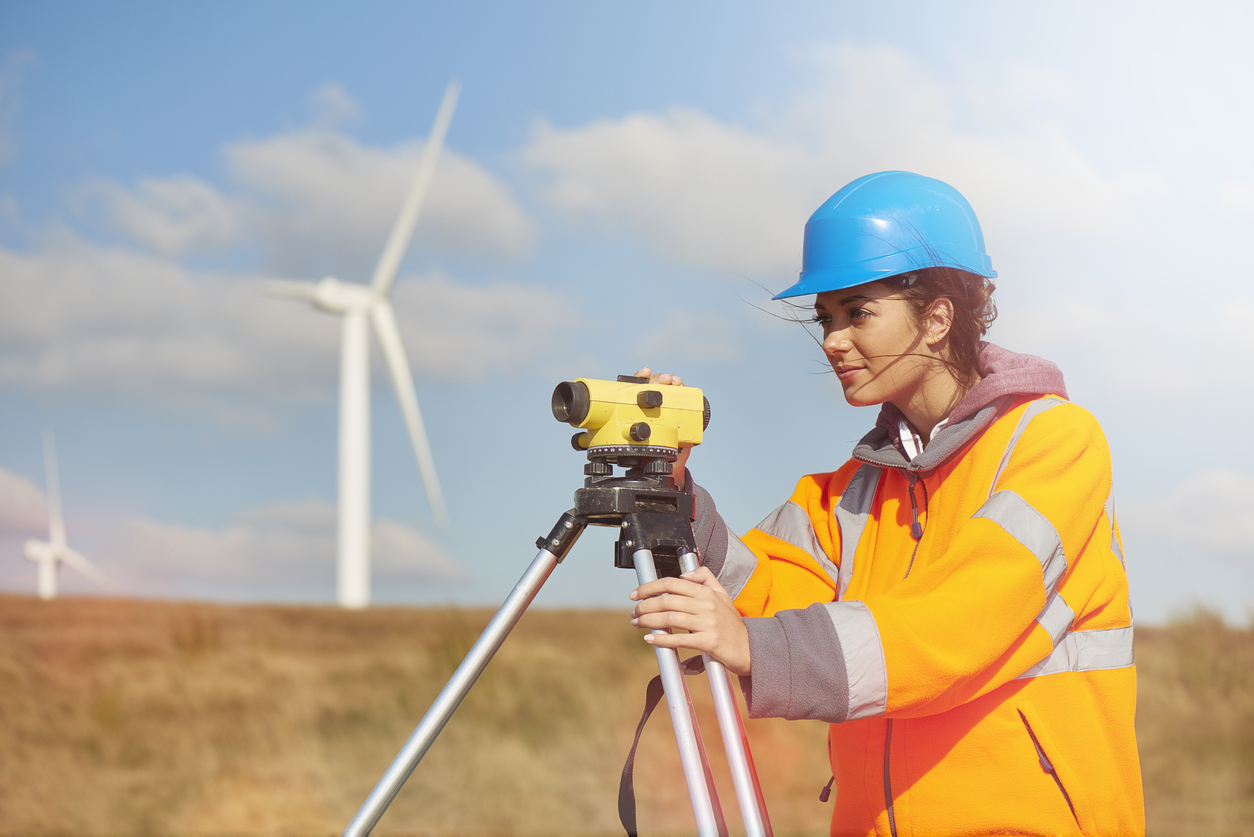
Green Careers
In this module, middle and high school students explore green careers that advance sustainability, address environmental challenges, and help mitigate climate change. They learn about the United Nations Sustainable Development Goals (SDGs) and connect them to their own values and interests. Students then brainstorm careers that support sustainable development, including…