Sustainable Intelligence: Elementary School (Grades K-4)
Summary
These lessons set the stage for students to develop sustainable intelligence. Students begin by playing an interactive game that illustrates how innocent actions can turn into unsustainable practices that impact everyone and the Earth we call home. Students then watch a video and learn what the term sustainability means and begin exploring specific sustainable and unsustainable things they do at school and at home.
Modules
-
Energy: Kindergarten: What is Energy?
In this module, students explore energy through their bodies, their food, and the sun. They begin by connecting energy to movement through dancing and a calming breathing exercise, learning tools to manage stress along the way. Through movement, sensory activities, and discussion, they discover how food gives them energy and…
-
Energy: Grades 1-2: Energy in Action
In this module, students explore energy as junior scientists. They learn the fundamentals of energy, classify examples of light, heat, and sound energy, and use movement to compare the three. Students then model how molecules behave when heated, observe educator demonstrations, and predict and explain what they see, connecting heat…
-

Energy: Grades 3-4: Energy is Everywhere!
In this module, students explore different types of energy and how our energy choices affect the planet. They compare renewable and nonrenewable energy, then build model windmills to see how wind can be converted into useful work. Students model potential and kinetic energy through movement and test whether citrus fruits…
-
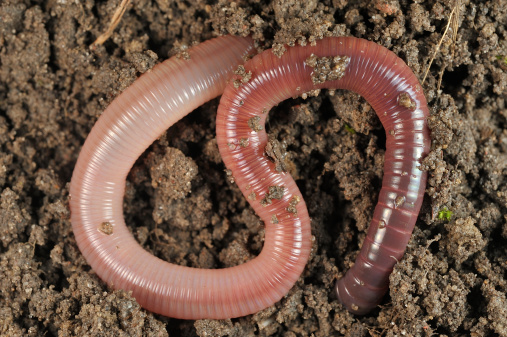
Waste: Kindergarten: Waste Matters
In this lesson, students look below the surface of the natural world to catch a glimpse of nature’s recyclers. They learn how organisms in nature help dead plants and animals rot and turn into something useful. They learn the term decomposer and look at several examples of common decomposers. Students then work…
-
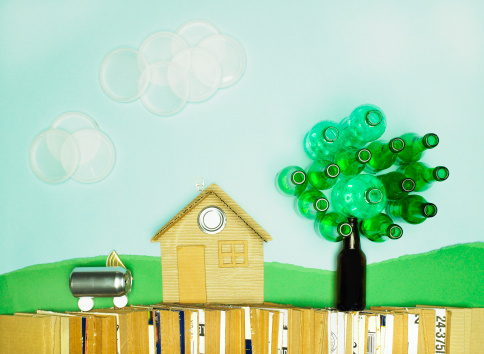
Waste: Grades 1-2: Waste Not, Want Not
In this module, students explore how recycling, composting, and smart choices can reduce waste. After learning how paper is made from trees and why forests matter, they recycle old newsprint into new paper and use it to create art with a positive environmental message. Students then forage on the school…
-
Waste: Grades 3-4: Trash or Treasure
In this module, students investigate what really happens to waste after it leaves the trash can. They explore landfills, dumps, and incineration, learn how communities are working toward zero waste, and build a mini landfill to test whether organic or inorganic waste lasts longer. Students then learn why sorting waste…
-
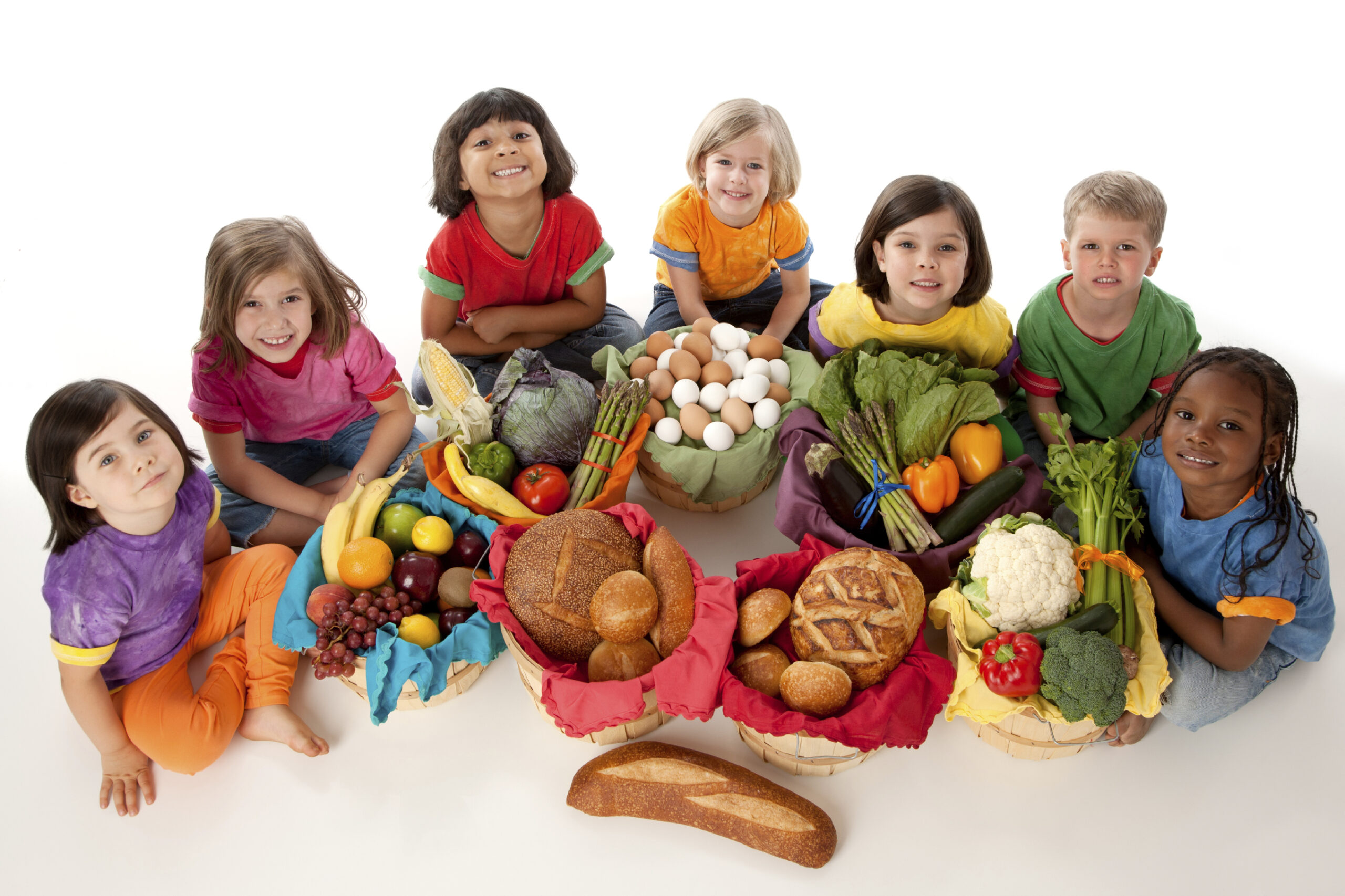
Food: Kindergarten: Wonderful World of Plants
In this module, students discover that much of the healthy food we eat comes from plants. They explore fresh fruits, vegetables, and seeds, learn which plant parts we eat, and prepare and share a salad together. Students then compare a healthy plant with a struggling one, learn what plants need…
-
Food: Grades 1-2: Nature Knows Best
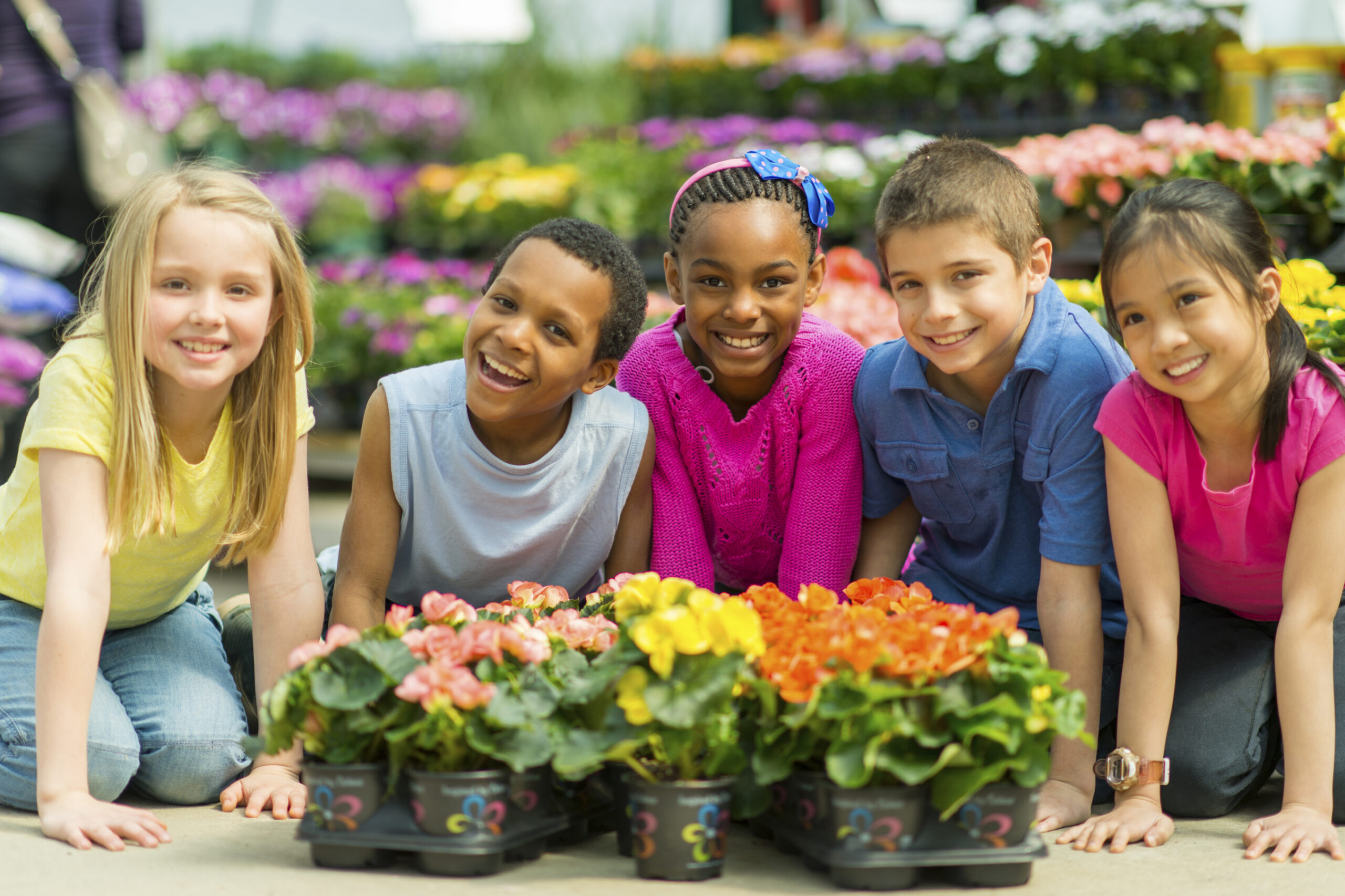
In this module, students explore how food choices affect their health and the planet. They play the Good Food Game, a living board game that shows why foods closer to nature are healthier choices. Students then discover the many ways people use plants beyond food, including as medicine, clothing, and…
-
Food: Grades 3-4: I am What I Eat
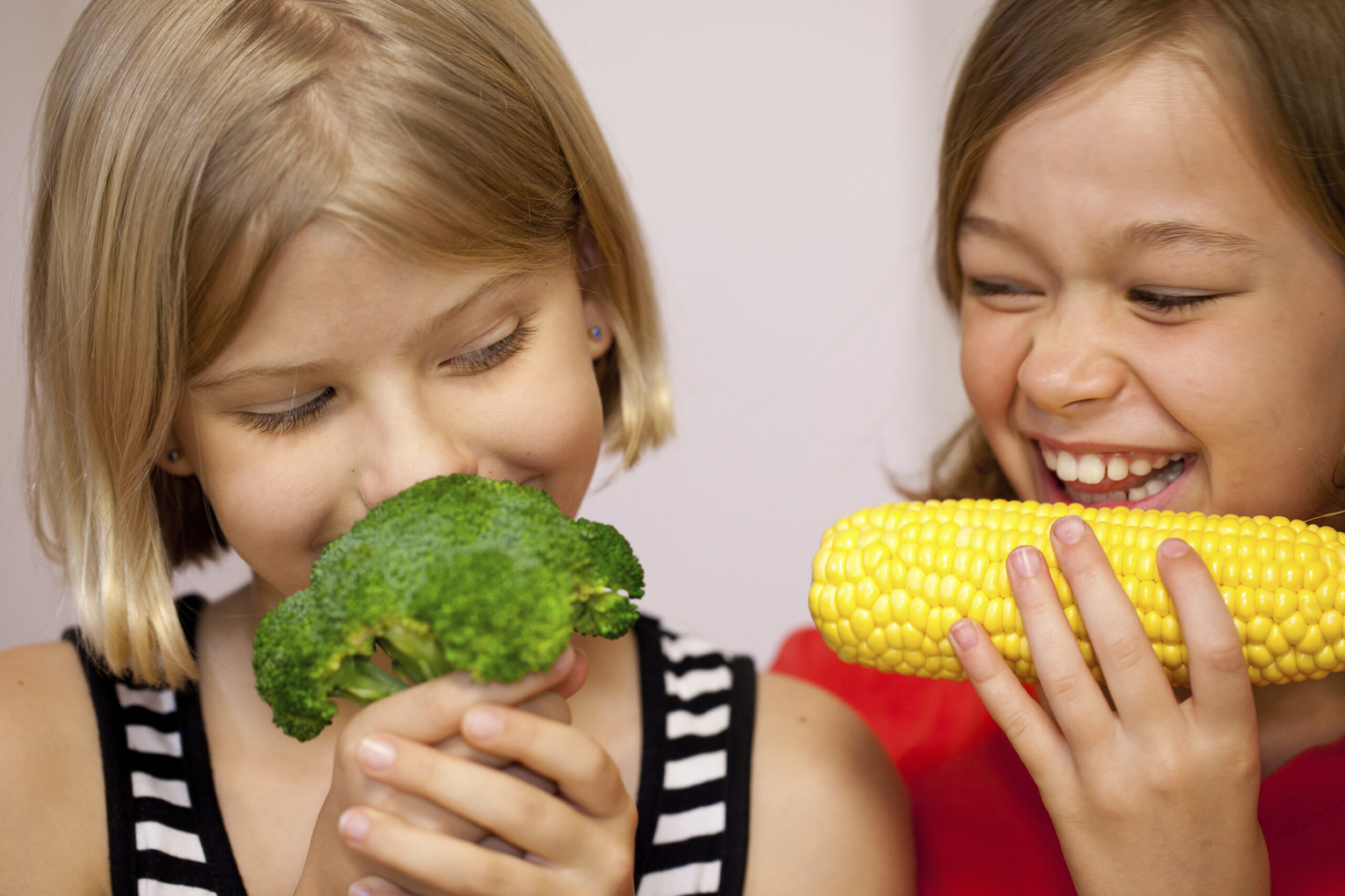
In this module, students explore how food shapes their health, their choices, and their communities. They learn how food quality, variety, portion size, and physical activity support a healthy lifestyle, then build on that knowledge in a block-stacking game. Students become Sugar Sleuths, learning to spot sugar’s many names on…
-
Air: Kindergarten: Air All Around Me
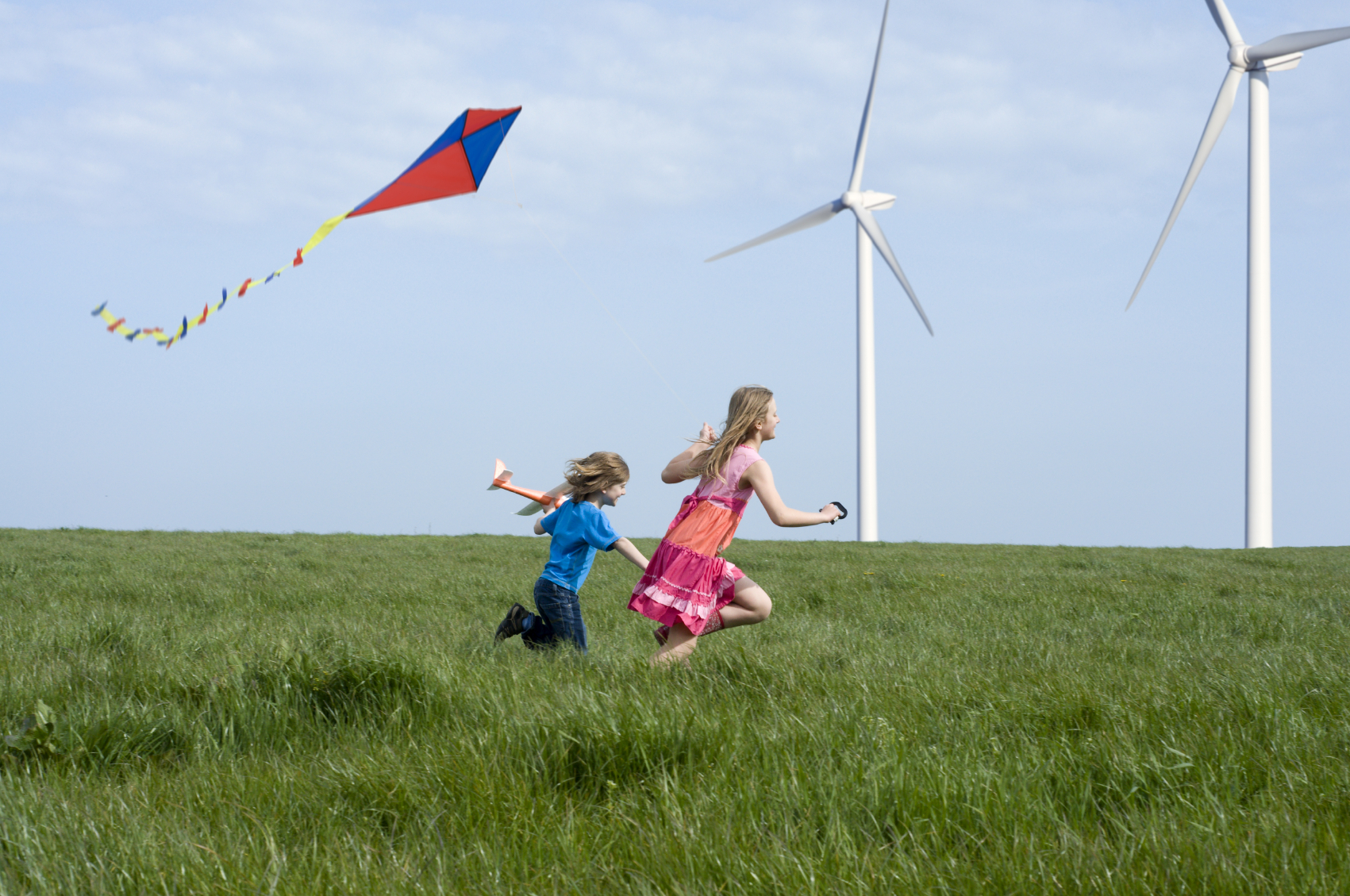
In this module, students discover that air is all around us, even though we can’t see it, and that most living things depend on it to survive. Through hands-on activities, they find evidence of air and build windsocks to watch it move. Students then act as junior scientists, capturing air…
-
Air: Grades 1-2: Clean Air Guardians
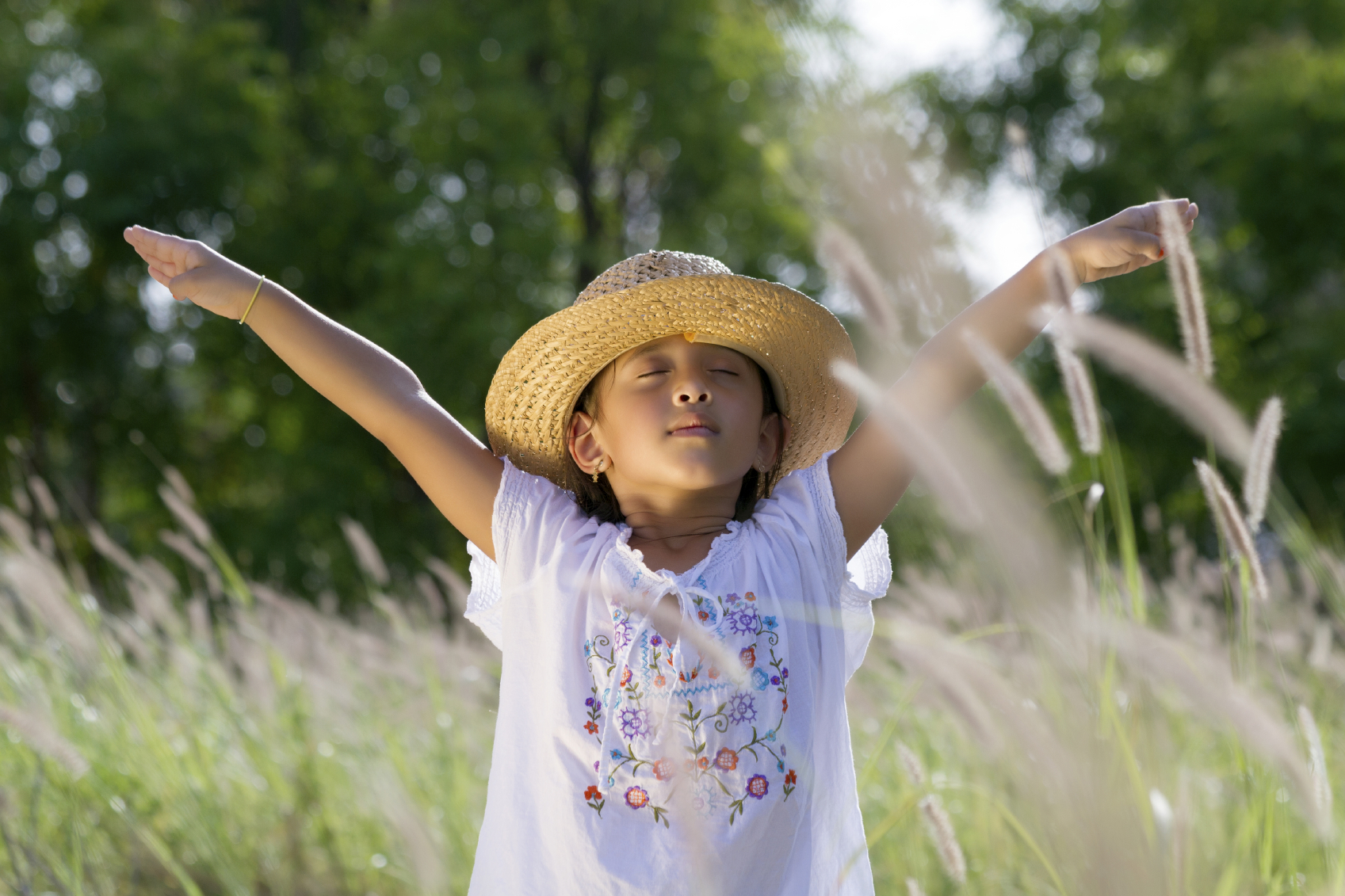
In this module, students explore how air connects to their bodies, their senses, and their health. They learn the basic parts of the respiratory system and practice a guided breathing exercise that also helps them relax. Through an interactive story, students discover how their sense of smell helps protect them…
-
Air: Grades 3-4: Sensing Quality Air
In this module, students explore air as matter and learn how to protect the air they breathe indoors. Through educator demonstrations and a homemade balance scale, they discover that air takes up space and has mass, even though it’s invisible. Students then learn what affects indoor air quality, experience how…
-
Public Spaces: Kindergarten: Space in Places
In this module, students explore how respect and responsibility shape the way we share spaces with others. Through a story, hula hoops, and role-play, they learn what personal space is and why respecting it matters, especially in public places. Students then sort pictures to distinguish between public and private spaces…
-
Public Spaces: Grades 1-2: Great Spaces
In this module, students explore what makes public spaces valuable and how everyone can help care for them. Through the Who Owns It? Game, they learn who owns, uses, and is responsible for different spaces. Students then become public space detectives, visiting a neighborhood space with a family member, evaluating…
-
Public Spaces: Grades 3-4: The Importance of Public Spaces
In this module, students explore the many kinds of public spaces in their community and how to protect them. They tour indoor and outdoor public spaces and create accordion books to share stories about their favorites. Students then learn that many public spaces are ecosystems, build a life-sized web to…
-
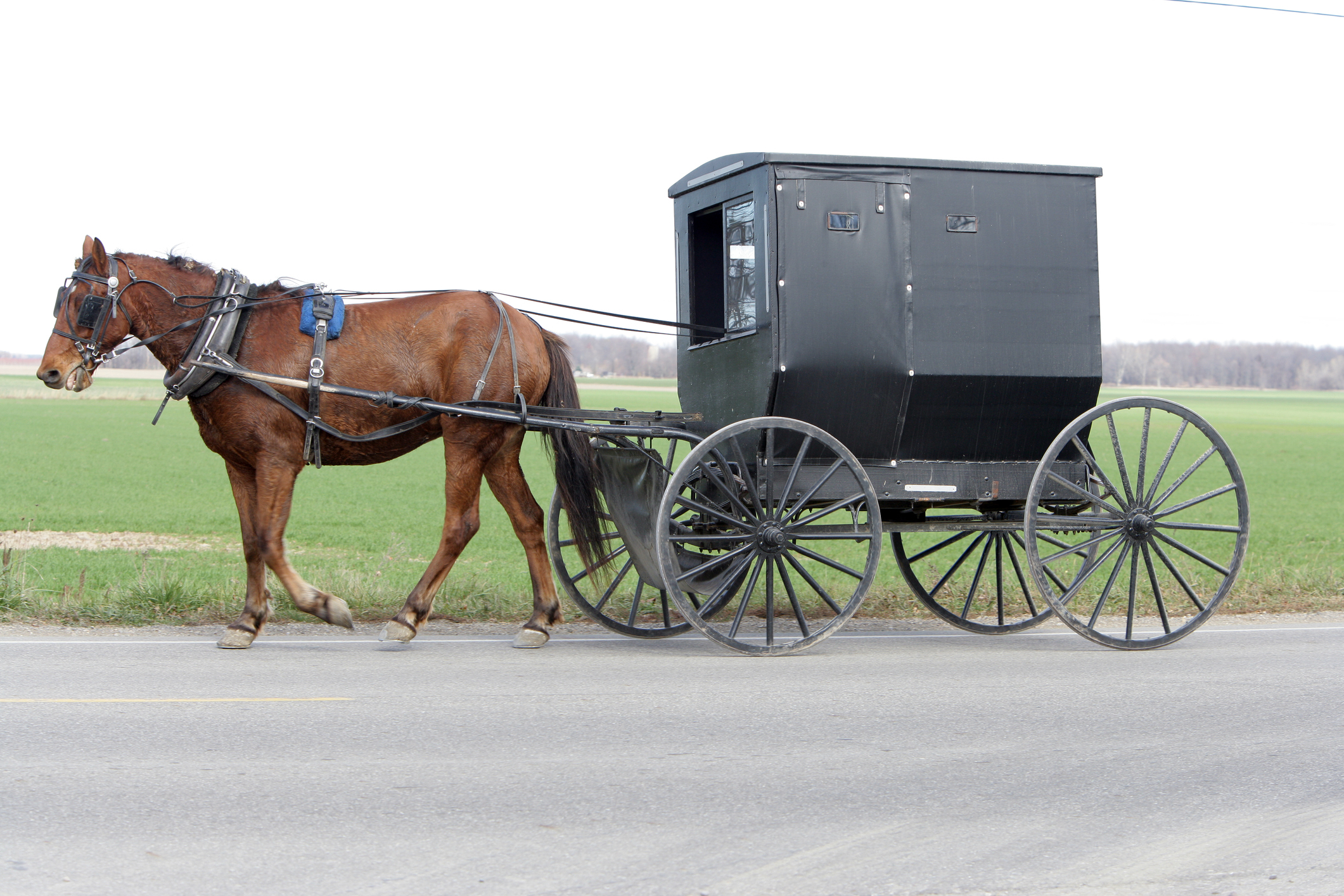
Transportation: Kindergarten: Bodies in Motion
In this module, students explore the many ways people get from one place to another. Through pantomimes and team sorting, they classify transportation by land, water, and air. Students then celebrate their feet as a basic form of transportation, showing off their favorite moves and decorating footprints to display around…
-
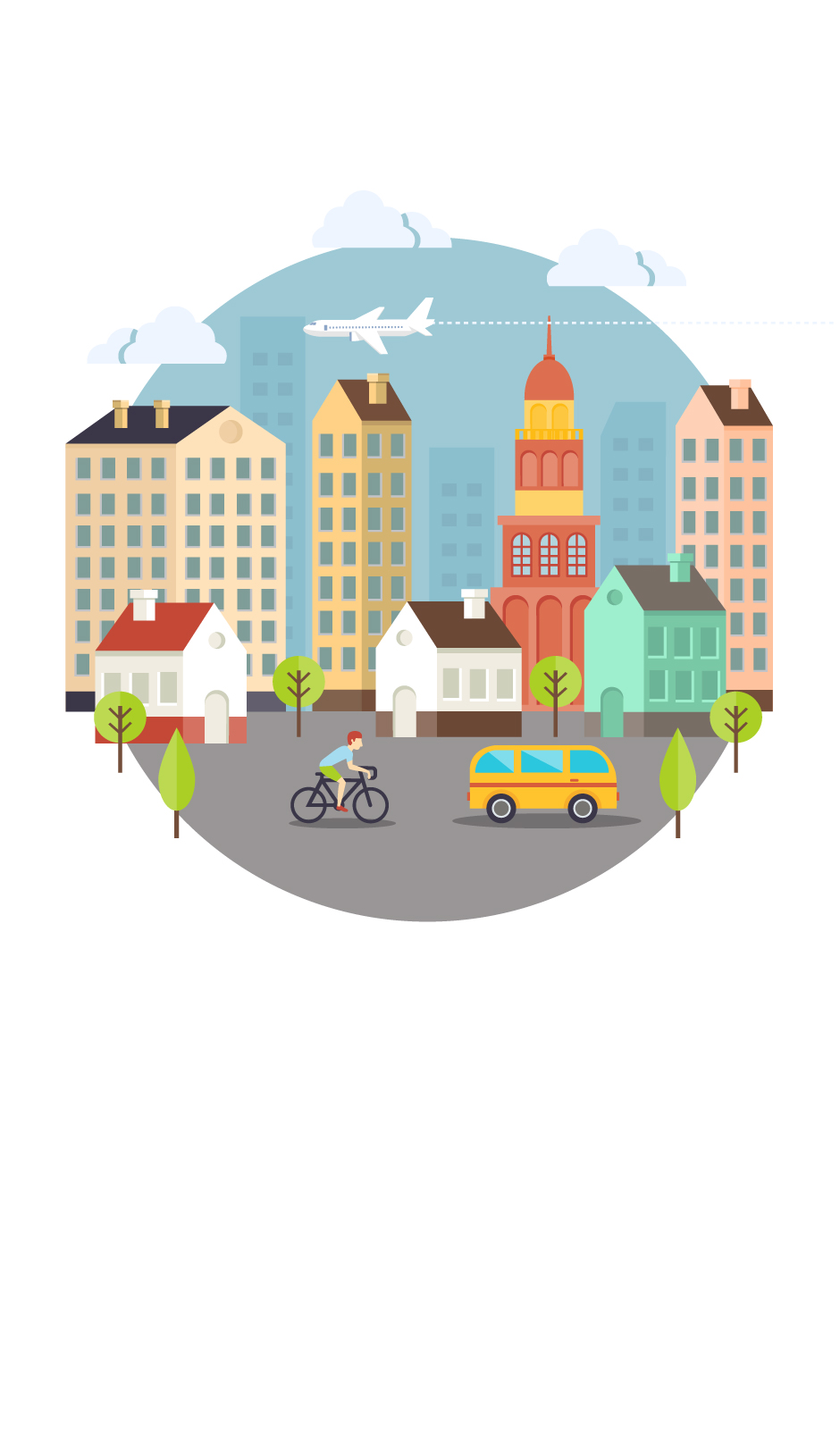
Transportation: Grades 1-2: Let’s Ride Together
In this module, students explore how shared transportation helps people move around more easily. Using hula hoop “cars,” they create classroom traffic jams, then carpool and form “buses” to see how fewer vehicles make travel easier, safer, and more enjoyable. Students then learn about public transportation options, discuss their benefits…
-
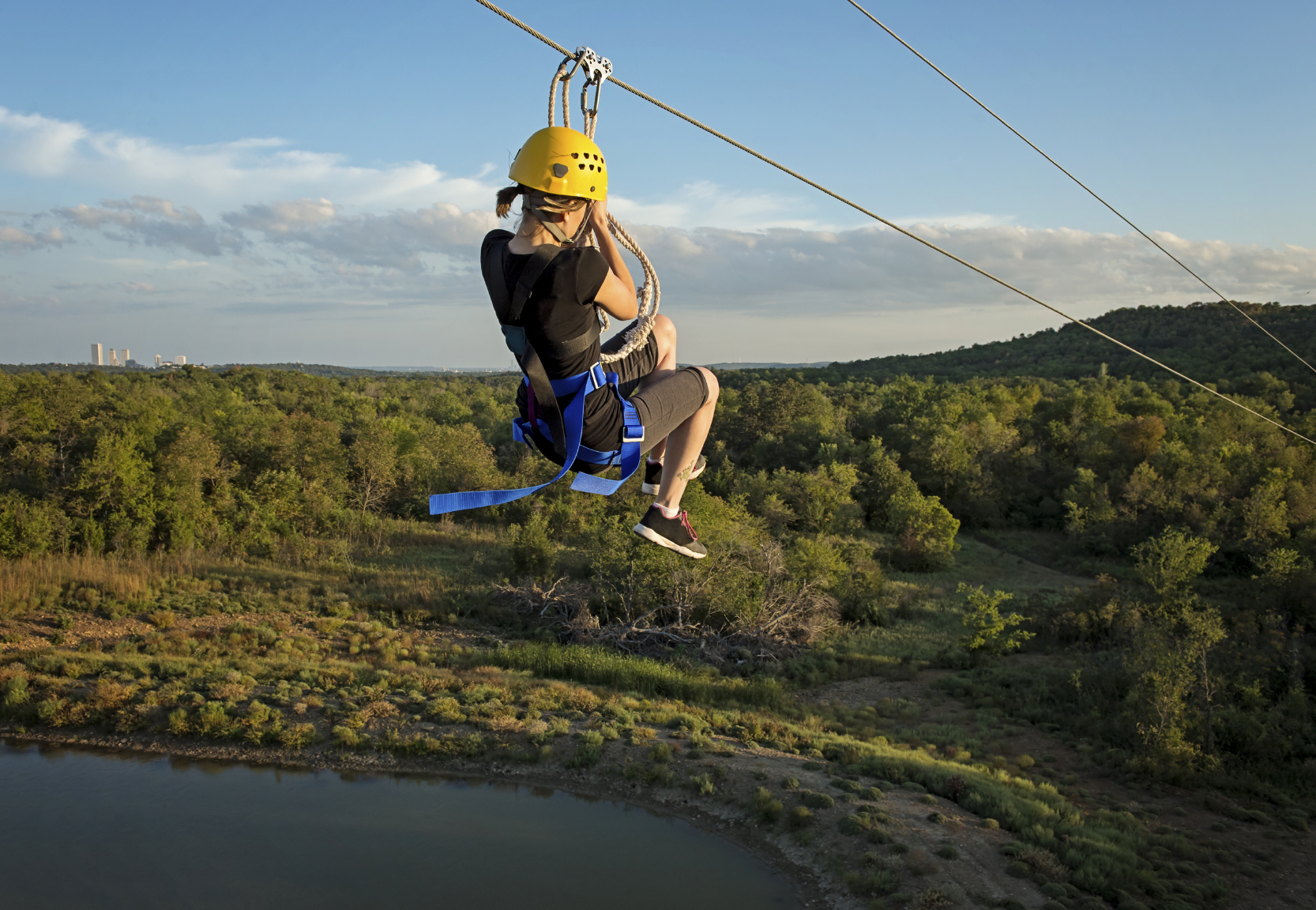
Transportation: Grades 3-4 Transportation Trends
In this module, students explore how transportation has changed over time and how it affects life on Earth. They trace the history of transportation from animals and the wheel to modern technology, weighing the pros and cons of key innovations. Students then play active games to discover how stop-and-go traffic…