Sustainable Waste
Summary
Sustainable Waste: Rethinking Waste & Recycling for the 21st Century is a collection of lessons that provides K-12 teachers with engaging, hands-on, and standards-aligned curriculum to introduce students to the complex and wide-ranging topics of waste production and management, all through the lens of design thinking. These lessons were co-created through a collaboration between EcoRise and PepsiCo Recycle Rally.
Sustainable Waste is a multi-session design thinking experience for secondary students. Through five modules, the curriculum center students as leaders as they develop and propose solutions to the challenges of recycling and waste management in the United States. Waste is a wide-ranging and deeply relevant topic that engages students with complex environmental stressors that affect social, economic, and environmental systems. This curriculum also gives students practice applying a human-centered design framework, leveraging adaptable activities that can be used to design powerful solutions to waste management and other environmental issues. The framework guides students through a five-step process to recommend innovative design solutions to pressing materials management issues. Stages of this framework include: Identify the Problem, Explore the Issue, Create Solutions, Refine Solutions, and Share Solutions.
The Sustainable Waste curriculum is complemented by 23 waste-focused lessons from EcoRise’s Sustainable Intelligence curriculum, providing K-12 students with the knowledge and skills to understand issues of waste and waste management on a global scale, and apply them to make their own homes, schools, and communities more sustainable. These lessons can be found in the Sustainable Intelligence curriculum for elementary, middle, and high school students.
Modules
-
Module 1: Recycling: Past, Present, and Future
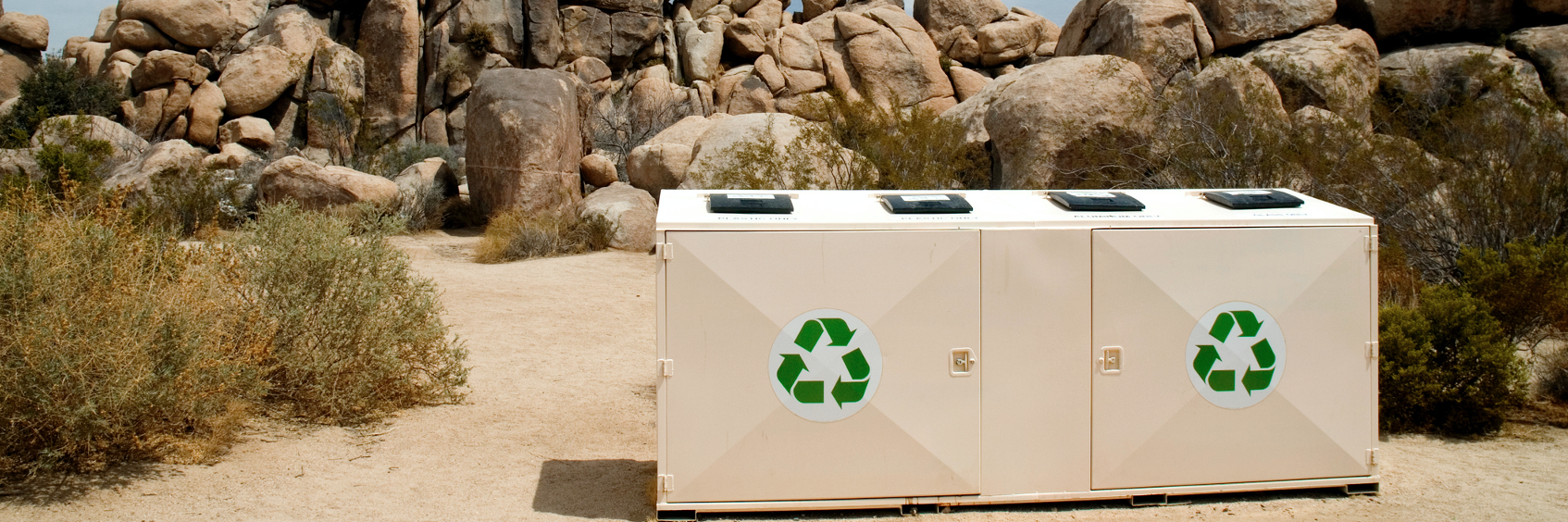
In this module, students gain an overview of key recycling and waste management topics via four sessions. In the first session, they learn about the characteristics of common types of trash and the challenges related to disposing of and recycling human-made materials. Students then spend 24 hours collecting all of…
-
Module 2: Exploring Waste, Equity, and Environmental Justice
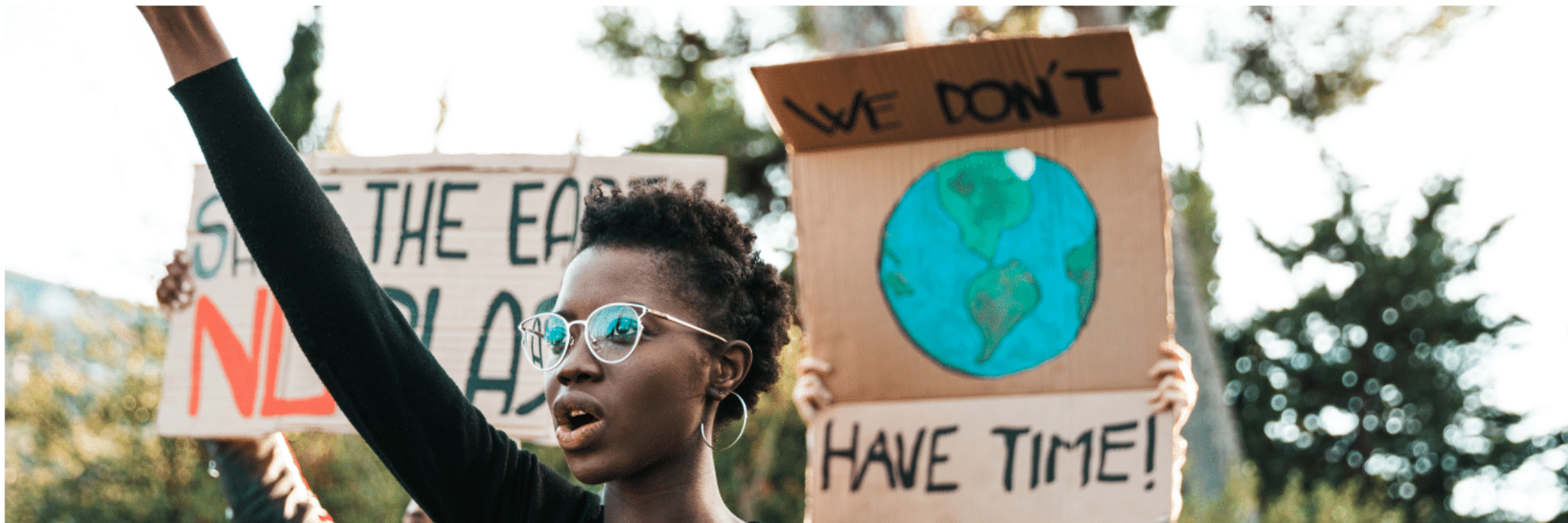
In this module, students explore environmental justice, specifically looking at waste management through an equity lens. First, they consider landfills as a source of pollution and analyze various harms that landfills can cause people living near them and beyond. Then, students use GIS mapping techniques to analyze the location of…
-
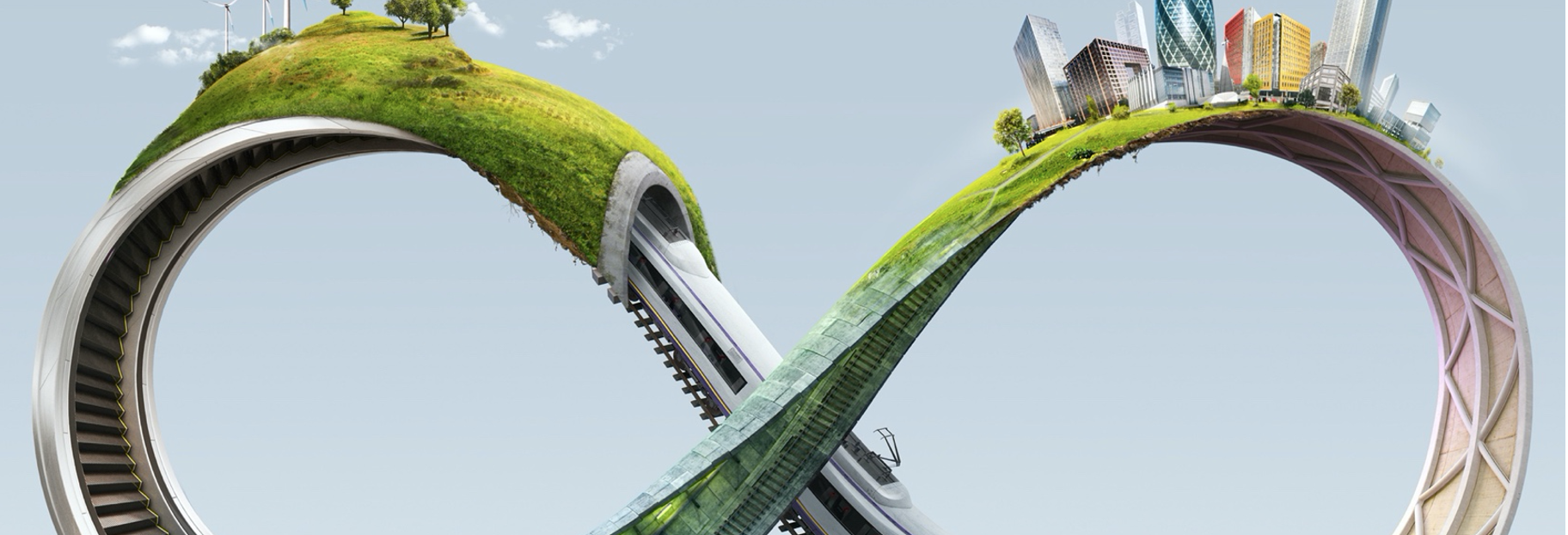
Module 3: The Circular Economy
In this module, students examine the circular economy model of waste management. They explore waste-related scenarios and examine, via engaging activities like Economic Puzzles and Triple Bottom Line, how a circular economy can encourage sustainable practices. With these activities, students act as decision makers who must balance the priorities of…
-

Module 4: Refining the Solution
In this module, students use all they have learned about waste management systems, environmental justice, and the circular economy concept to refine their design solution to a waste management problem. Via a series of design-thinking activities, they assess, analyze, and discuss their design solution to identify its strengths and weaknesses.…
-

Module 5: Sharing the Solution
By this time, students have completed their design challenge and are ready to share their results! In this module, they learn how to convey information about their design solution in a clear and effective manner to stakeholders, the general public, and professionals in the waste management industry. They learn about…