Sustainable Intelligence: Upper Elementary & Middle School (Grades 5-8)
Summary
This lesson sets the stage for students to develop sustainable intelligence. They begin by playing an interactive game that illustrates how innocent actions can turn into unsustainable practices that impact everyone and the Earth we call home. Students then discuss how the game illustrates a concept called the tragedy of the commons. Next, they watch a video and discuss the concept of sustainability. Together, the elements of this lesson help students create a base of understanding from which they can begin to exercise sustainability thinking as they analyze and explore a range of topics and apply what they learn in their everyday lives.
Modules
-
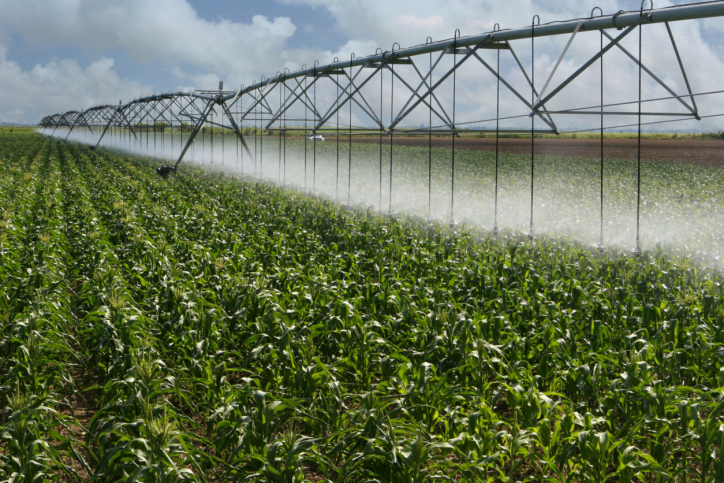
Water: Grades 5-6: Earth Waters Our Lives
In this module, students explore the value of water and how their daily choices affect the larger ecosystem. They learn how people use and conserve water, then search the school building for leaks, gather data, and calculate the long-term impact of the waste they find. Students use their findings to…
-
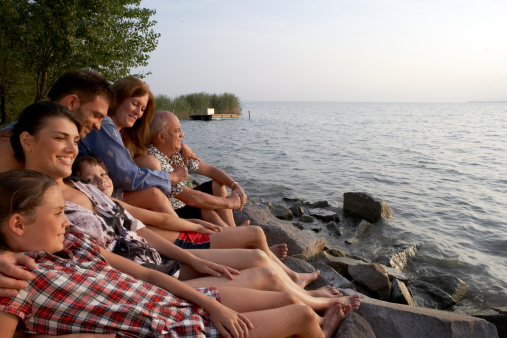
Water: Grades 7-8: Me, You, and Water
In this module, students examine how human water use affects the environment. They track their own water use over 24 hours, using math to calculate their daily, monthly, and yearly totals and exploring principles of conservation. Students then collect samples from local water sources, test them for contaminants, and connect…
-
Energy: Grades 5-6: Fueling Society
In this module, students weigh the benefits and costs of the energy sources that power our world. They learn how coal, oil, and natural gas are extracted, discuss why we rely on them despite their impacts, and explore renewable alternatives before simulating a mining operation with chocolate chip cookies. Students…
-
Energy: Grades 7-8: My Carbon Footprint
In this module, students explore how their energy choices affect the planet and what alternatives exist. They track their energy use for 24 hours, calculate their personal carbon footprint, and compare it to averages in other countries and communities. Students then test how much heat different lightbulbs give off and…
-
Waste: Grades 5-6: Waste and Energy
In this module, students explore some of the most complex waste challenges facing communities today. They research waste management innovations from around the world, then pitch solutions for their own community to classmates role-playing as a city council. Students then learn why electronic waste is a growing problem and develop…
-
Waste: Grades 7-8: Imagine Zero Waste
In this module, students explore how zero-waste thinking can help solve the global waste crisis. They learn how the 5Rs (Reduce, Reuse, Recycle, Rot, and Reflect) support a zero-waste mindset, then plan and launch a zero-waste campaign at school. Students collect and log their own waste for 24 hours, compare…
-
Food: Grades 5-6: Food For the Future
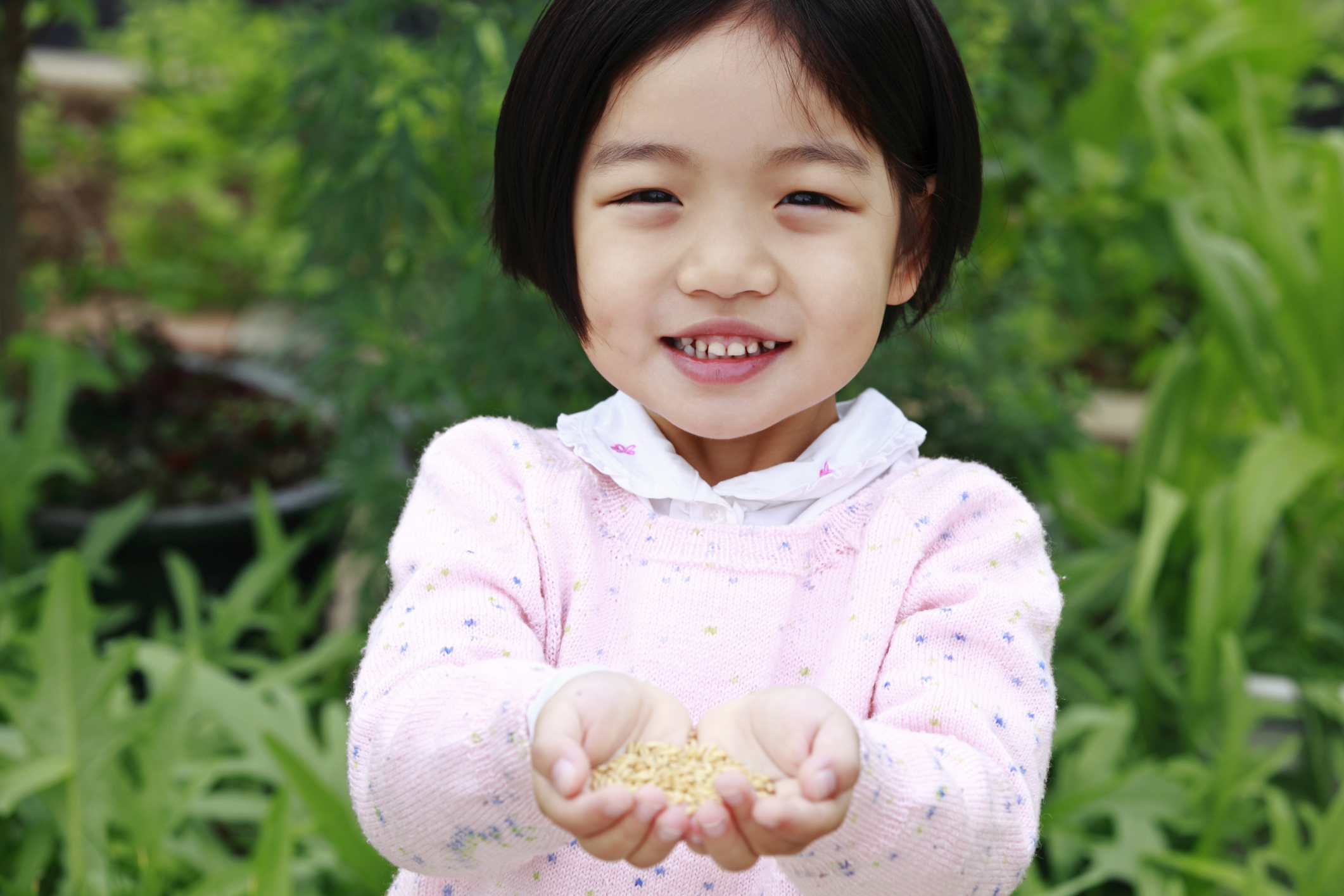
In this module, students explore how food is produced, protected, and shared around the world. They trace the history of agriculture, weigh the impacts of the Green Revolution, and role-play UN delegates deciding whether their nation should commit to sustainable farming. Students then take a virtual tour of the Svalbard…
-
Food: Grades 7-8: My “Foodprint”
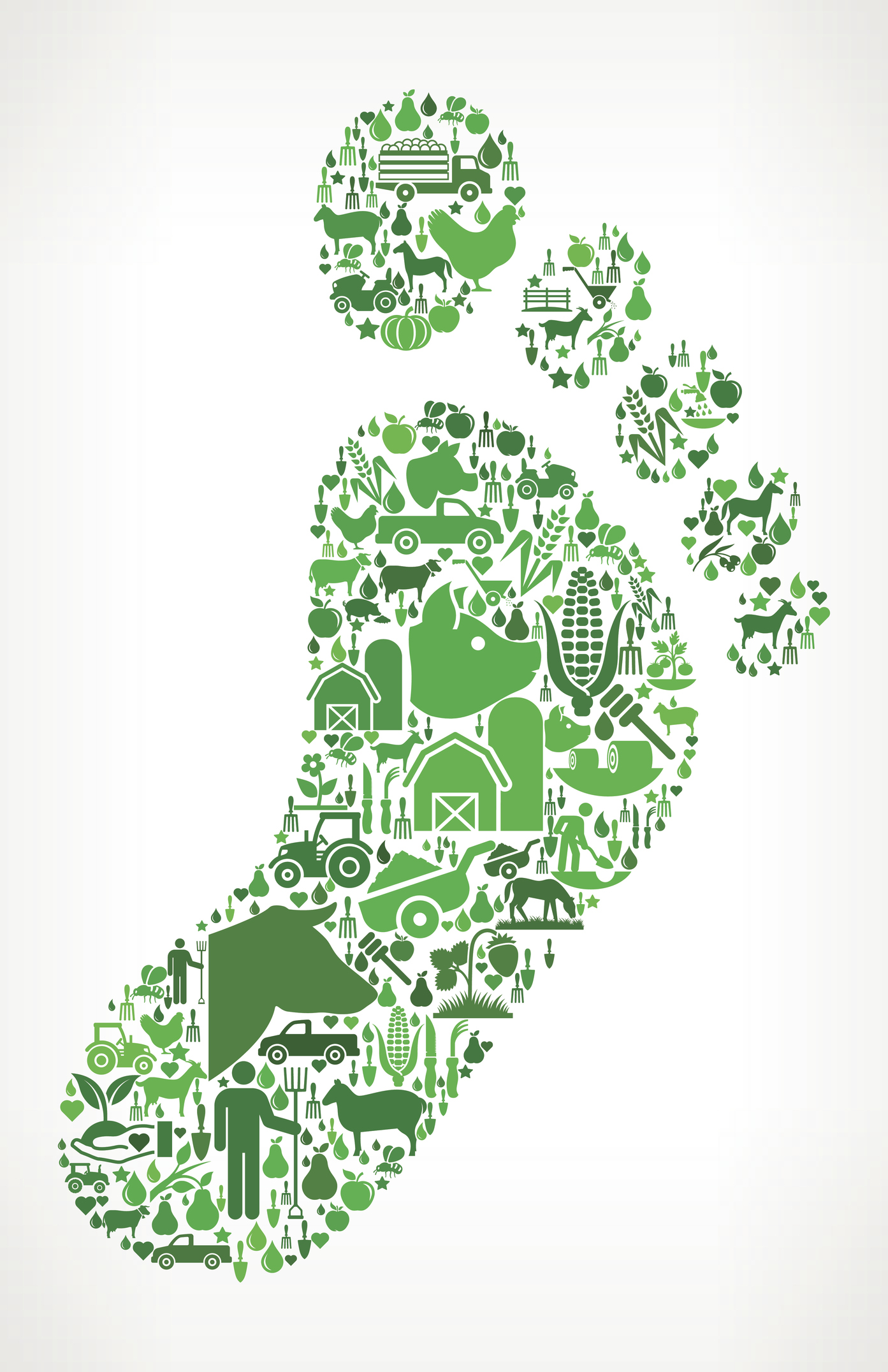
In this module, students take a closer look at what’s in their food and how their choices affect their health and the planet. They research genetically modified organisms (GMOs), weigh their potential benefits and the concerns surrounding them, and debate the issue with peers to form their own views. Students…
-

Air: Grades 5-6: What’s Up?
In this module, students explore what air is made of and how human activity is changing it. They identify the main gases in air, represent their proportions, and model how atmospheric gases and living things work together to sustain life. Students then test for carbon dioxide, simulate the greenhouse effect…
-
Air: Grades 7-8: The Air We Breathe
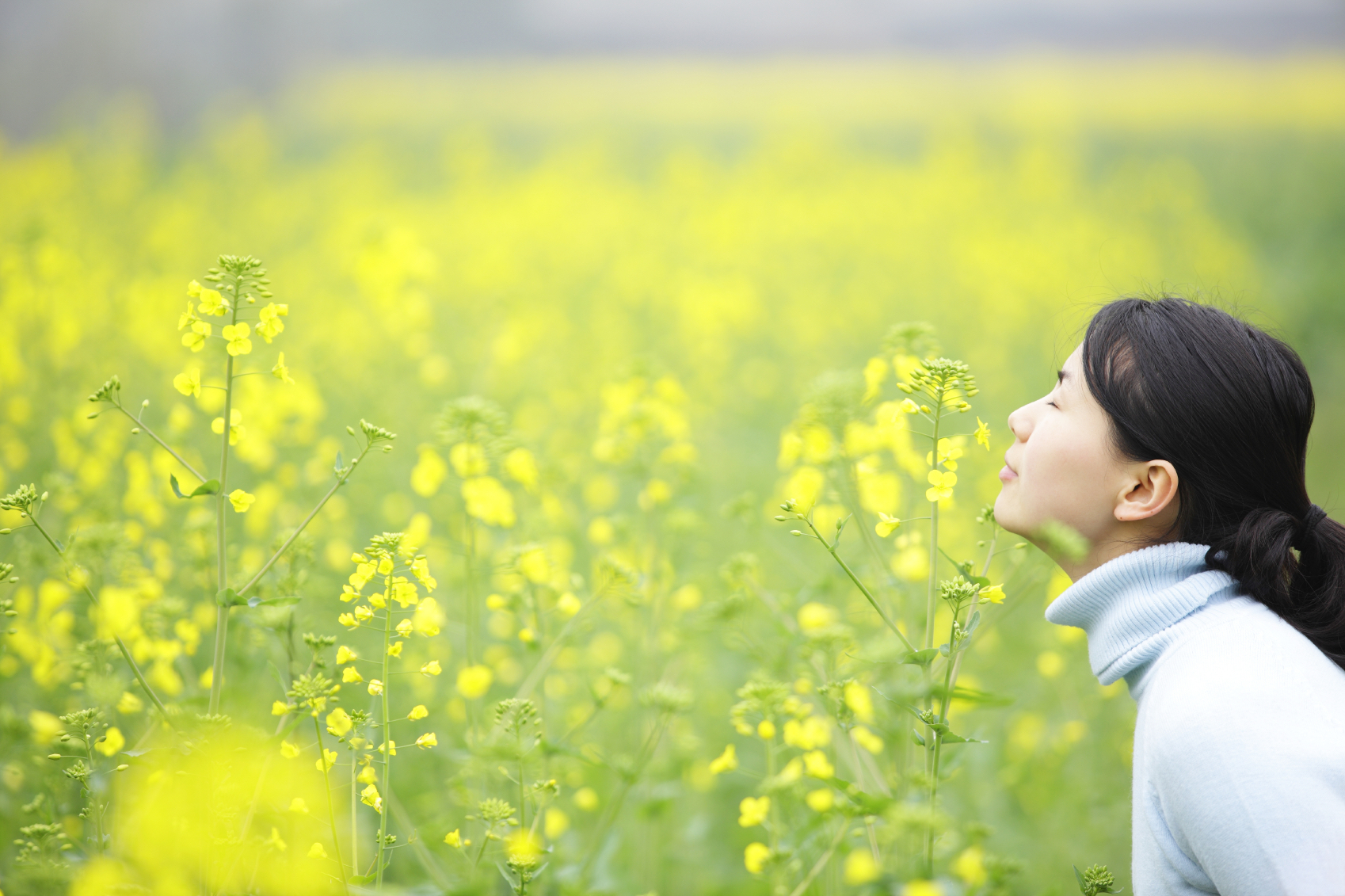
In this module, students investigate how air quality affects health at home and in their community. They learn about six common air pollutants, their sources, and their health effects, then work in teams to solve a case study by identifying the pollutant behind a set of symptoms and proposing preventive…
-
Public Spaces: Grades 5-6: Green Spaces
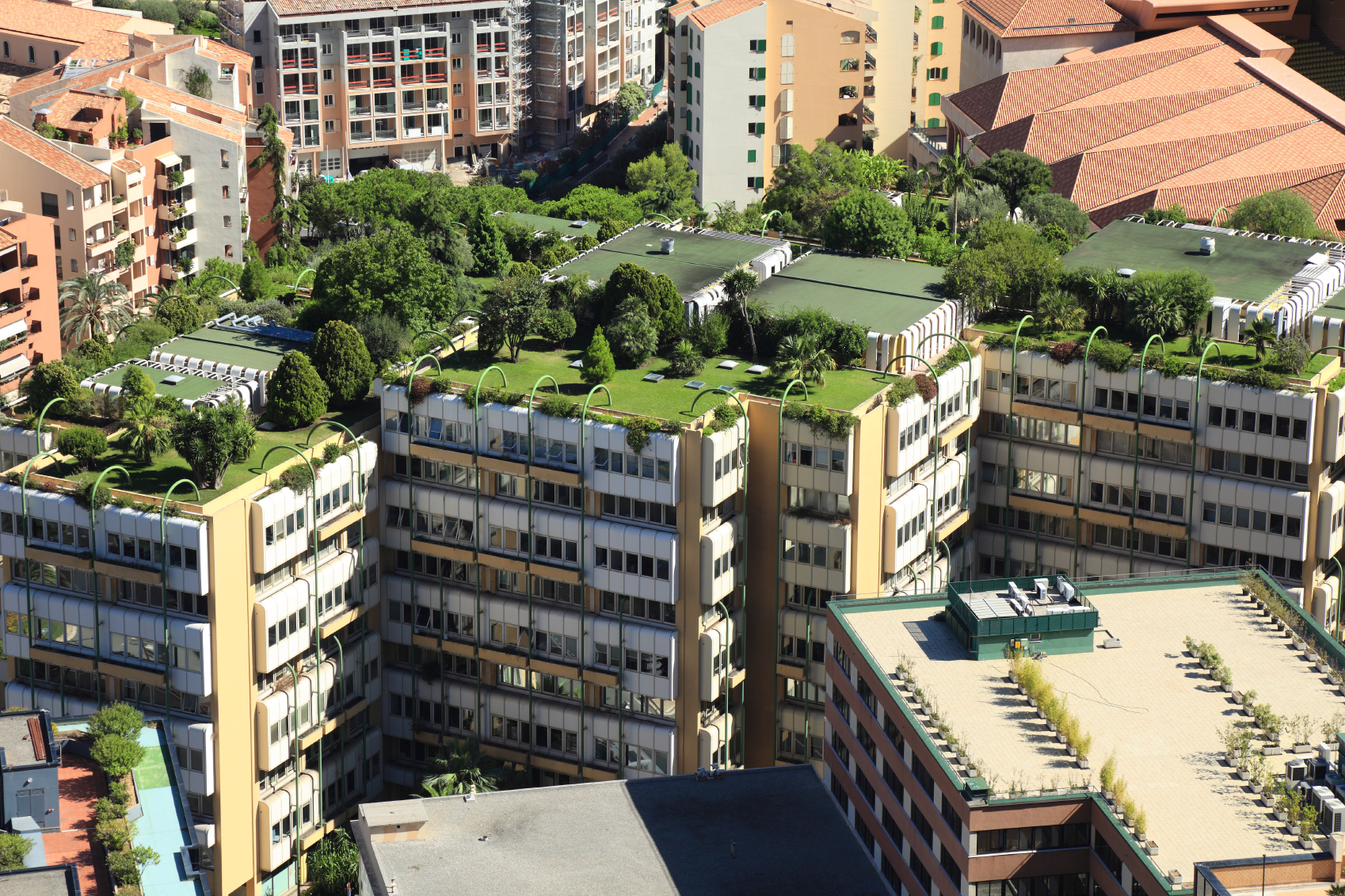
In this module, students explore what makes a city “green” and how cities around the world are modeling sustainable development. They examine principles of green urbanization and outstanding examples from across the globe. Students then work in teams to envision a greener future for their own city, develop a plan,…
-
Public Spaces: Grades 7-8: My Public Spaces
In this module, students explore how public spaces support both people and biodiversity. They learn why protecting biodiversity matters, conduct a field study of local plants, animals, and fungi, and use their data to estimate the area’s biodiversity and plan ways to protect it. Students then reflect on public spaces…
-
Transportation: Grades 5-6: Getting Around
In this module, students explore how transportation choices shape the economy, society, and the environment. They examine the benefits and climate impacts of shipping and air travel, learn how industries are working to reduce emissions, and evaluate travel scenarios and actions like purchasing carbon credits. Students then research alternative vehicles…
-
Transportation: Grades 7-8: How Did I Get Here?
In this module, students examine how fuel choices and personal travel habits affect the environment. They investigate why society relies so heavily on fossil fuels, explore modern alternatives, and debate the merits of each with their peers. Students then track their own transportation for one week, calculate their carbon dioxide…